
Car-sick dog: making the journey bearable again
Drooling, yawning, vomiting: how to recognise car sickness in your dog, why puppies suffer from it more often, and what helps on short and long drives.
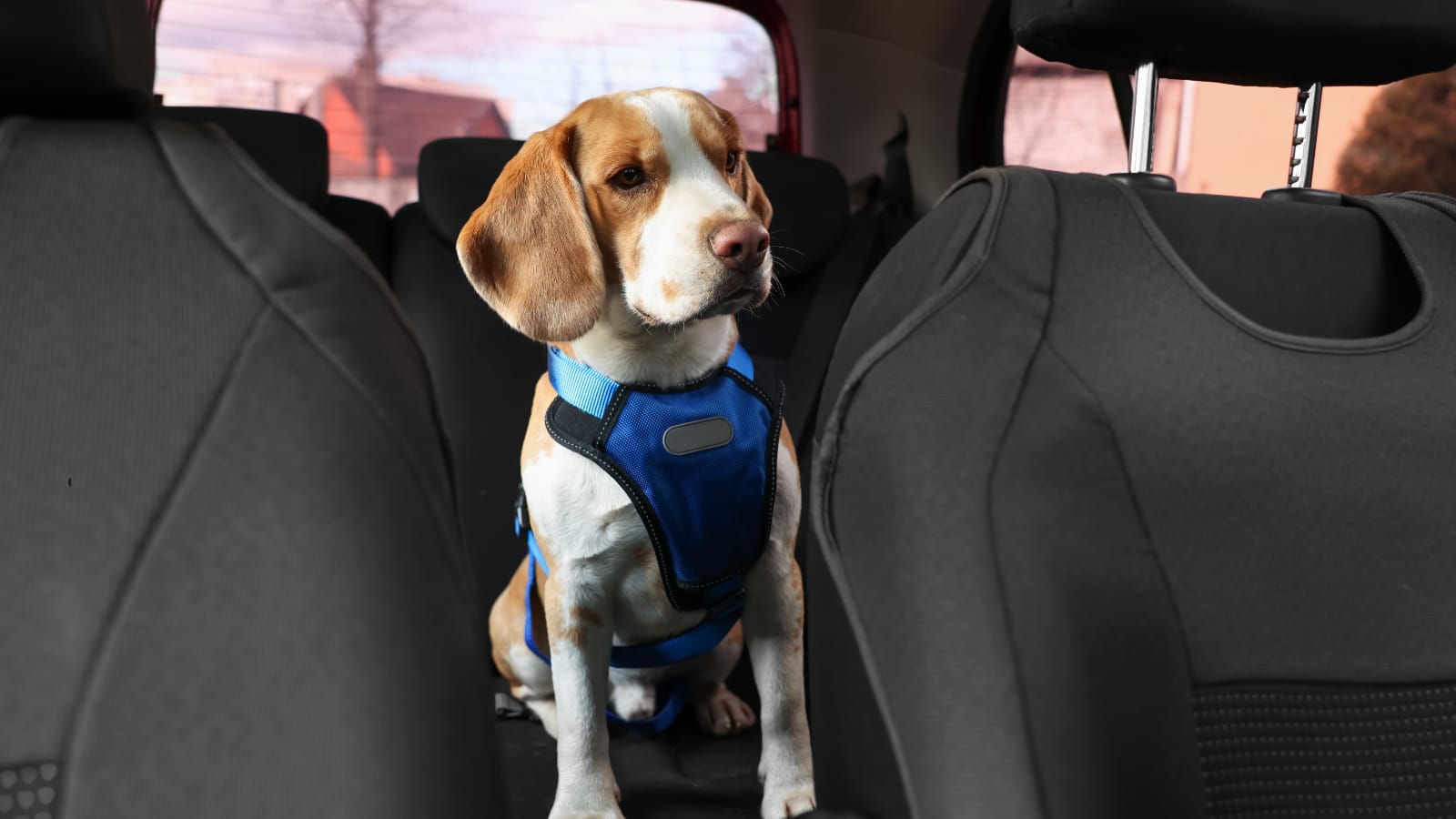
A car-sick dog drools, yawns, smacks his lips or vomits in the car. It helps to drive calmly, open a window a crack, skip a big meal in the few hours before you leave, and secure the dog where he slides around as little as possible. Puppies suffer more often and usually grow out of it with short, positive trips. If that doesn’t work, your vet can prescribe an anti-nausea medicine.
If the vomiting carries on outside the car, there’s blood in it, or your dog stays listless after the journey, call the vet.
How to recognise it
Car sickness often starts in the first few minutes, long before any vomiting. Watch for:
- drooling and lip smacking, or a lot of lip licking
- yawning when he isn’t tired
- fast breathing, trembling, or going quiet and listless
- vomiting, or peeing in the car
His sense of balance gets confused: the dog feels movement he can’t see. Fear of the car makes it worse. A dog that once felt sick in the car expects the same on the next drive, and that tension makes him ill sooner. That’s why it helps to rebuild his view of the car, see below.
Why puppies suffer more often
In a puppy the inner ear isn’t fully developed yet. And the first car journey is often a hard one: away from his mother and littermates, to a new home, sometimes for an hour or more. That first impression sticks. Most dogs grow out of the nausea. In some it returns later in life.
If you’ve just brought a puppy home, also read the first weeks with a puppy. Getting used to the car is part of it.
What helps during the drive
A dog that slides across the back seat feels every bend. Secure him in a well-fitting crate in the boot or with a car harness clipped to the seat belt. Some dogs settle when they can’t see out: a blanket over the crate helps then. Others do better with a view to the front. Try both.
The way you drive matters too. Don’t accelerate hard, take bends slowly and avoid traffic jams where you can, with their endless stop-start. A straight motorway is often easier for a car-sick dog than a winding country road.
Heat makes nausea worse. Open a window a crack, without letting him put his head out. Turn the heating lower than you’re used to.
No big meal in the few hours before you leave. Water is fine. With a young puppy of a small breed, ask your vet how long he can go without food. On a long drive, stop about every two hours, let him relieve himself and drink, and only give a small portion during a longer break.
Making the car fun again
With a dog that’s already afraid of the car, you start again from the beginning. Allow a few weeks.
- Sit with him by the parked car, doors open, and give him a treat. Stop there.
- Let him get into his crate or onto his spot, engine off. Reward him and get out again.
- Start the engine, without driving.
- Drive to the end of the street and back.
- Take a five-minute drive to a place where something nice is waiting: a walk, a field to play in.
Only move to the next step if he stays relaxed. If he starts drooling or yawning, go back a step. That last step works best: if the car always leads to a wood or an off-lead area, the drive takes on a different meaning.
Medication
Your vet can prescribe an anti-nausea medicine for a long drive or a holiday. How well it works varies from dog to dog, and some medicines are only allowed from a certain age. Never give your dog travel sickness tablets meant for people on your own initiative: the dose is wrong and some substances are harmful to dogs. Natural remedies such as ginger are often recommended, but discuss those with the vet first too.
If you’re going on holiday with your dog, also read travelling with your dog and find a dog-friendly stay that isn’t too far away for a first trip.
Frequently asked questions
How do I know if my dog is car sick? He starts drooling or smacking his lips, yawns a lot, breathes fast, trembles or goes listless. Some dogs vomit or pee in the car. These signs often start in the first few minutes of the drive.
Do puppies grow out of car sickness? Usually, yes. A puppy’s inner ear is still developing, and with short, calm drives he gets used to the movement. In some dogs the car sickness comes back later in life.
Can my dog eat before a car journey? Don’t give him a big meal in the few hours before you leave. Water is fine. On a long drive, give a small portion during a break, not in the moving car.
Is there medication for car sickness in dogs? Yes, your vet can prescribe an anti-nausea medicine. How well it works varies from dog to dog. Never give a medicine meant for people: the substance or the dose can harm a dog.