
Starting your own sniffing garden: what you need and what existing gardens teach you
Starting a sniffing garden for dogs: how much space, what fencing, what to put in it, which rules and what others charge? With figures from 35 real gardens.
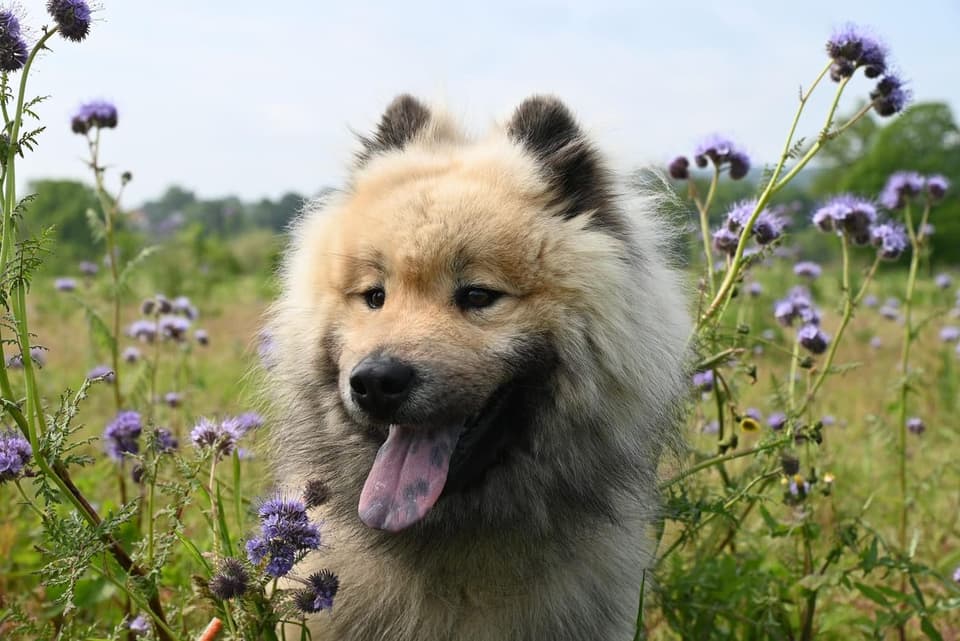
GoPuppy lists 35 sniffing gardens. Most are in Noord-Brabant and Gelderland, North Holland has two and South Holland one. Got land of your own and thinking of opening a garden? The existing ones have plenty to teach you.
The figures below come from our own data on those 35 gardens. We give no advice on permits, rules or insurance, because they differ by municipality and plot. We only point to where you can go.
Want to know first what a sniffing garden is? Read how a sniffing garden works and what a visit costs.
What are you offering?
A sniffing garden is a safe, fenced place where a dog uses its nose at its own pace, with no other dogs or people nearby. In the gardens of the Snuffeltuinen Initiatief, the host doesn’t step in. The dog chooses.
This isn’t dog training. You receive visitors with, for example, an unsure dog, a dog that can’t be let off the lead because of hunting instinct or reactivity, or an older dog. You are a host, not a trainer. That makes starting simpler, but it takes calm, patience and an eye for dogs. Some operators come from dog training, others simply start in their own garden.
How much space do you need?
The middle one of the 31 outdoor gardens on GoPuppy measures about 800 m². The spread is wide:
- Snuffeltuin St. Antonius in Maria Hoop is 70 m², wooded, with a barefoot path. Snuffeltuin Sura in Zevenbergschen Hoek measures 130 m².
- Teamspirit and Dogs in Westerhoven has 750 m² of sniffing garden on a fenced wooded plot of 2,000 m².
- Snuffelweide Pootsitief in Nijkerk is 10,000 m² and has a separate agility meadow.
There are also four indoor venues of 70 to 150 m², for example Snuffel Experience K9 Training in Beusichem. You can use them all year, but you need a room you can set up as a sniffing space.
At several gardens only one dog or one household is inside at a time. A small garden can therefore work well: the calm comes from the schedule, not the surface area.
The fence
No safe fence, no sniffing garden. Where we know the height, it is between 1.50 and 1.60 metres. Snuffeltuin De Zandkant in Heeswijk-Dinther uses mesh panels of 1.55 metres. Snuffelgem in Egem has 1.5-metre sheep wire that goes deep enough into the ground. Snuffeltuin Prins Plaza in Lelystad reaches 1.60 metres, with an airlock at the entrance.
Look at the bottom of the fence too, so a dog can’t get underneath, and at the entrance: with a double door or airlock no dog slips out while someone comes in. A garden with a 1.50-metre fence states on its Snuffeltuinen Initiatief page that escape can’t be ruled out entirely and that the visitor remains responsible for their own dog. Tell your visitors the same.
The layout
It is all about the nose. In the existing gardens we found herbs, herb mounds and scent stations, and surfaces of sand, grass, wood chips and barefoot paths, as at Rosie’s Garden in Harfsen. You also see small bridges, willow tunnels, tree trunks, a digging sandpit, a tyre hill or a sniffing wall. Snuffeltuin Ziva’s Place in Olen has edible berry bushes and a separate swimming pond. Some gardens have a covered seat, a terrace or a little tea house for the owners. Dogs Own Choice in Hoogkarspel is wheelchair accessible.
Plants need attention. Many garden plants are toxic to dogs, among them yew, foxglove, lily of the valley and laburnum. Cocoa shells used as mulch aren’t safe either. Have your vet or a reliable toxicity list check your planting before you start, herbs included.
Rules for visitors
Every garden makes its own rules. This is what we saw come up:
- One dog or one household at a time. Sometimes two dogs, as at Prins Plaza.
- No dogs in heat (Snuffelgem) and no sick dogs (Prins Plaza).
- For a dog that is afraid of other dogs: phone ahead.
- Booking is required almost everywhere. St. Antonius asks for at least three days’ notice.
- Poop bags are provided, or the visitor brings their own.
- Every visitor remains responsible for their own dog.
Write your rules down before you open and put them on your website or in your confirmation email.
Paperwork
Here we can only point you to where you can go. In the Netherlands you look up the plan in force for your address at ruimtelijkeplannen.nl and run the permit check at the Omgevingsloket. If your activity doesn’t fit the plan, you may need an environmental permit. In Flanders, start with the page on the environmental permit and with your municipality.
Visitors pay for a service. In the Netherlands, find out how that fits with a business at home; in Belgium, ask about a company number and VAT. Ask your insurer whether damage caused by a visitor or their dog is covered, because your household insurance may not cover it. Talk to your neighbours too: barking dogs quickly cause quarrels. Pick a quiet part of your land.
What do others charge?
A visit usually lasts 30 to 60 minutes and almost every garden works by appointment. Unguided sniffing outdoors mostly costs €10 to €20, for example €15 for 45 minutes at De Zandkant or €12.50 per visit at Sneupen bij Willem. Guided sessions, indoor venues and gardens with extras often charge €20 to €40: Snuffel Experience K9 Training charges €27.50 for a guided session of 30 minutes. Pootsitief also sells cards for five and ten sessions.
Some gardens give their income to a good cause. Snuffeltuin Aan de Waal gives everything to an animal welfare foundation, Sneupen bij Willem and Snuffeltuin Pawsitive do the same, and at Rosie’s Garden 20% goes to a good cause. At Ondesnuuftuun in Zeeland, shelter dogs can come to sniff for free.
What fencing, layout, upkeep, insurance and your own time will cost you, you work out yourself. The amounts above are what visitors pay. What operators keep, we don’t know.
Joining the Snuffeltuinen Initiatief
The Snuffeltuinen Initiatief has existed since 2017 and brings gardens together. You sign up via info@snuffeltuinen.com. According to their registration page, an online conversation (via Zoom) follows to discuss your plans and show you around. The page doesn’t say who holds that conversation, when, or for how long.
They ask for a safe, fenced location, animal welfare first, and respectful, animal-friendly working. They don’t mention a formal check or fixed requirements for size or insurance. Joining costs a one-off €10, entirely for an animal welfare cause, to encourage serious interest. There is no membership fee. In return you get your own page with photos, location, rates and practical info, free promotion through the website and social media, a Facebook page where visitors share their experiences, and contact with other operators. Joining is voluntary. We see nowhere that it is required.
For more guidance, the initiative offers the online workshop “Snuffeltuin voor je hond maken” (1.5 hours live, €37 per person, in Dutch). It comes with the e-book Hoe maak ik een snuffeltuin voor mijn hond, a workbook, a sample inventory list and a certificate of participation. According to the description, the workshop covers suitable and unsuitable plants, building different types of garden, budget and fundraising, and garden rules. We haven’t taken the workshop ourselves.
Putting your garden on GoPuppy
Once your garden is open, you can add it to GoPuppy for free. All sniffing gardens are in the overview, with separate pages for Noord-Brabant and Gelderland. North Holland, Friesland and Drenthe each have one or two gardens, so a new one will stand out there.
Checklist before you start
- Is my land zoned for this activity? Have I done the permit check?
- Is my fence at least 1.50 metres, does it finish at the bottom, and do I have a double door or airlock?
- Is every plant in the garden safe for dogs? Has my vet checked the list?
- Have I phoned my insurer about visitors?
- Who comes in at the same time? How do people book? What are my rules?
- Do my neighbours know my plans?
Frequently asked questions
How much space do I need for a sniffing garden? The middle one of the 31 outdoor gardens on GoPuppy measures about 800 m². The smallest is 70 m² and the largest 10,000 m². There are also 4 indoor venues of 70 to 150 m².
How high should the fence be? We can’t point to a fixed standard. The gardens whose height we know use 1.50 to 1.60 metres. One of them also has an airlock at the entrance, so a dog can’t slip out while you come in.
Do I need a permit for a sniffing garden? That depends on your municipality and your plot, and we can’t judge it for you. Check the zoning plan for your address, run the permit check at the environmental portal, and ask your municipality.
What do sniffing gardens charge per visit? At most unguided outdoor gardens it is €10 to €20 for 30 to 60 minutes. Guided sessions and indoor venues often charge €20 to €40.
Can I join the Snuffeltuinen Initiatief? Yes. You sign up by email, after which the initiative plans an online conversation to discuss your plans. You pay a one-off €10, which goes entirely to an animal welfare organisation. There are no membership fees. The garden must be safe and fenced, and animal welfare comes first.