FCI 44 · France

Beauceron

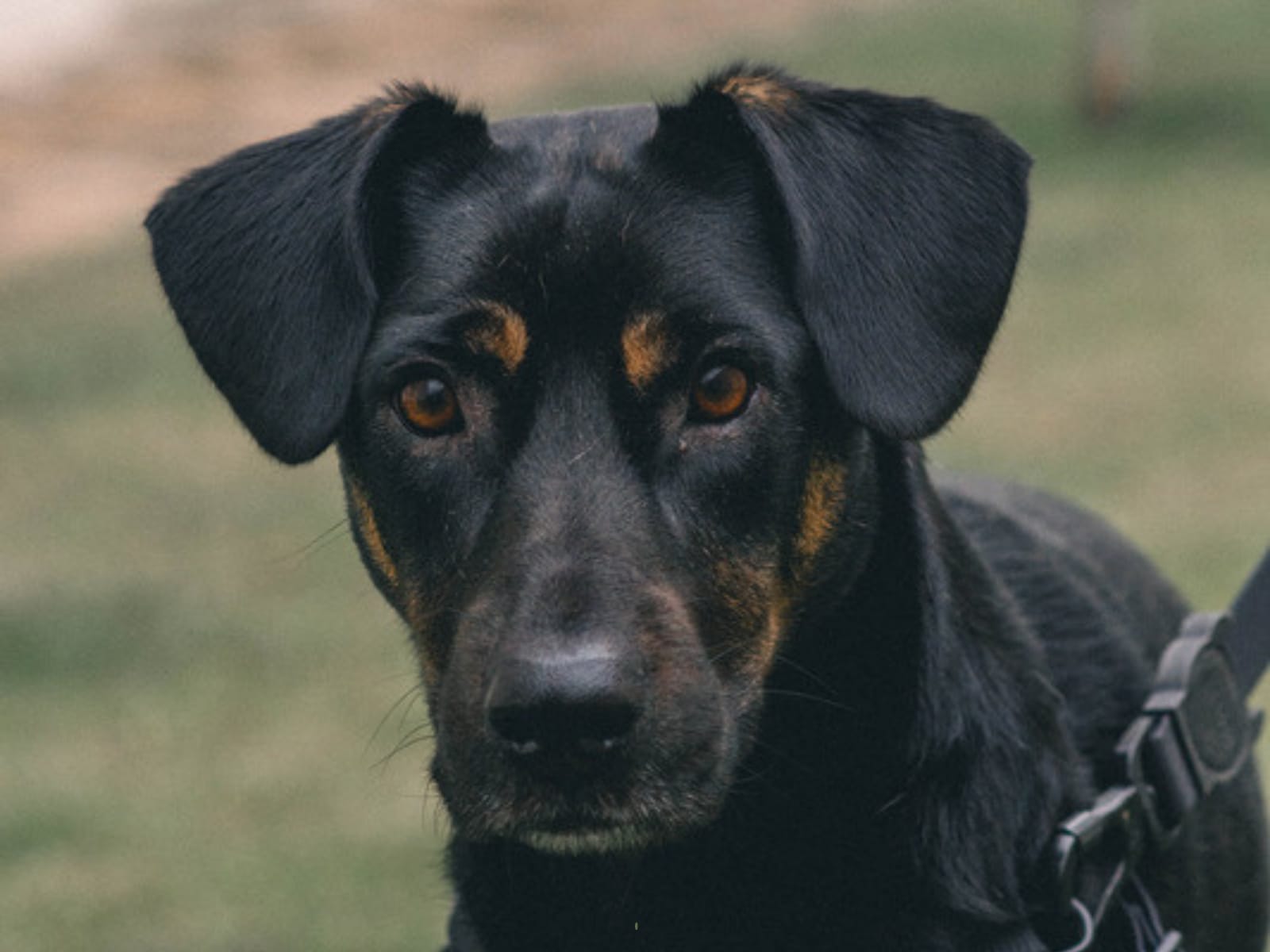
An ancient French sheepdog of the plains around Beauce. Because of the tan markings on his legs, breeders in the late 19th century called him 'Bas-Rouge', red stockings.

Beauceron with natural ears outdoors

Breed facts

FCI
no. 44 · group 1, sheepdogs
Origin
France
Height at withers
male 65–70 cm · female 61–68 cm
Exercise
more than 2 hours a day (according to the Royal Kennel Club)
Lifespan
over 10 years
Coat
medium length, sheds

The GoPuppy profile

These are breed averages and our own assessment. Your own dog’s age, fitness and training matter more.

  1. WalkingFull-day hikesMore than two hours of exercise a day, according to the Royal Kennel Club. An adult Beauceron will manage a full-day hike.
  2. Dog sportSports partnerIGP, herding, canicross and mantrailing. He was bred to drive and guard flocks.SuitsIGPherdingcanicrossmantrailing
  3. Terraces and cafésRather not a busy terraceThe standard asks for a gentle, fearless dog with a frank expression. He is large and watchful; a quiet terrace is a matter of training.
  4. Travel and staysTravel takes preparationLarge, with a short coat. Plan time on the way for him to run.
  5. CityNeeds a big gardenThe Royal Kennel Club assumes a large house with a large garden, in the country.

Character

According to the FCI standard, the Beauceron approaches you frankly and with self-assurance, with a candid expression, never mean, timid or worried. His character should be gentle and fearless.

Origin

At the end of the 19th century the names ‘Beauce Dog’, ‘Beauceron’ and ‘Red-Stocking’ were chosen for these ancient French sheepdogs of the plains, all of the same type, with smooth hair on the head and a harsh, short coat. The tan markings on the lower legs earned him the name ‘Red-Stocking’. The coat was usually black and tan, but there were also grey, all-black and even all-tan dogs. They were selected to drive and guard flocks of sheep. The FCI places him in Group 1, section 1, with a working trial.

Double dewclaws

The standard asks for double dewclaws on the hind legs, forming well-separated ‘thumbs’ with nails. According to the standard, shepherds have traditionally been much attached to these characteristic dewclaws.

Health and size

The Royal Kennel Club puts genetic diversity first and recommends hip testing. Males measure 65 to 70 cm, females 61 to 68 cm.

Health: what a good breeder tests for

  • Prioritising genetic diversity when choosing the parents
  • Hips (X-ray, official result)

Ask for the parents’ results when you visit a litter. This is not medical advice; your vet knows your dog.

Breeders of this breed on GoPuppy

No breeder of this breed on GoPuppy yet.

GoPuppy does not check breeders’ health tests. A listing here is not a seal of approval.

Read also