
Found a dog? What to do to get a stray dog home in Belgium and the Netherlands
Found a dog in Belgium or the Netherlands: how to keep him safe, where to get his chip read and who to report the find to if nobody comes to collect him.
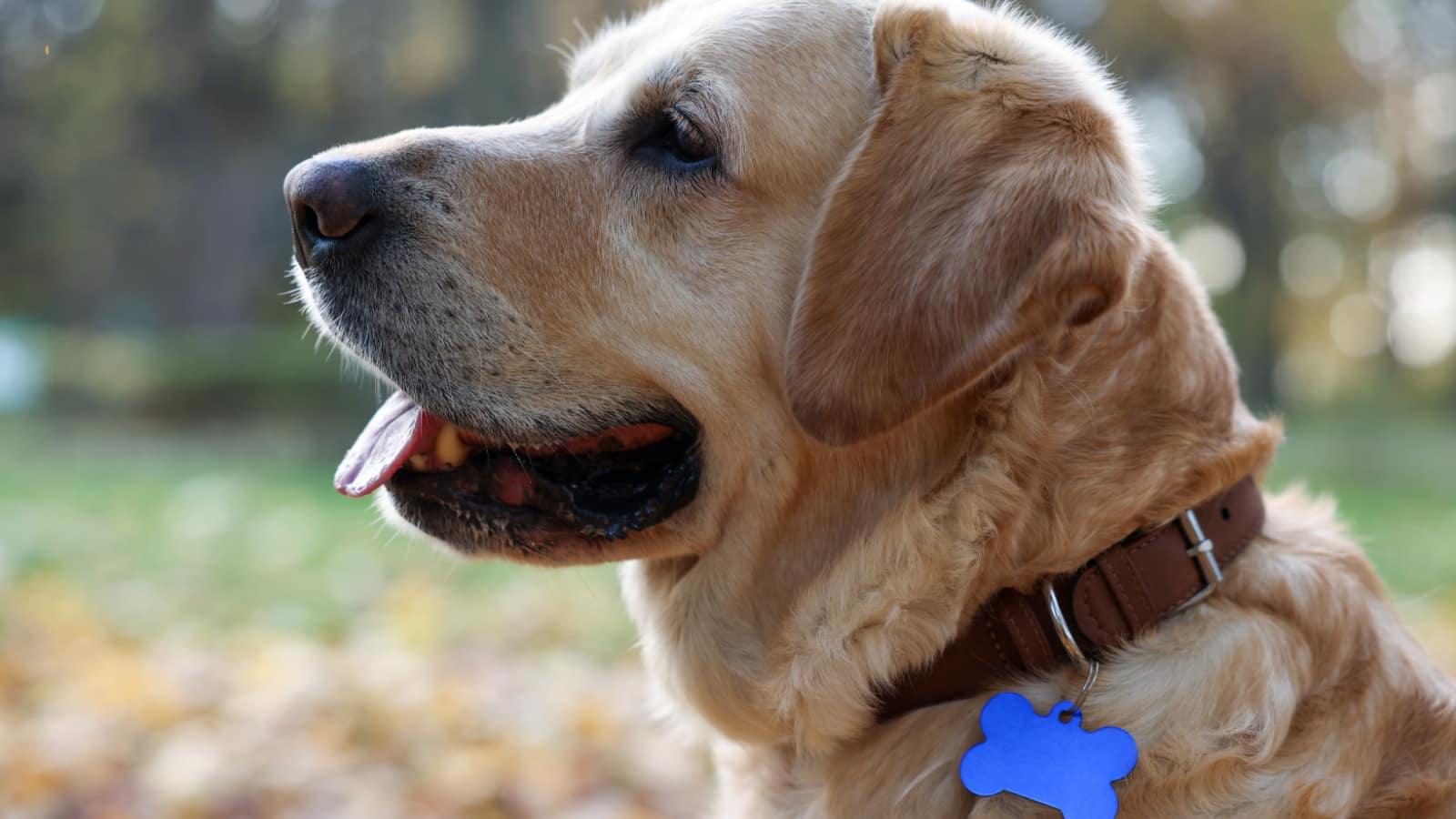
If you’ve found a dog, get him somewhere safe if he lets you near him, give him water and check whether he has a tag with a phone number. Then have his microchip read by a vet, a shelter or the police. In Flanders and Brussels you report him to the local police or take him to a shelter. In Wallonia you notify the municipality where you found him straight away. In the Netherlands you’re legally required to report the find to the municipality if you take the dog with you, which in practice means the animal shelter it designates.
This article gives general information, not legal advice. The rules differ between the two countries, between Belgium’s regions and sometimes between municipalities.
Approaching him or keeping your distance
A dog wandering alone down a street is often stressed. Don’t walk straight at him or chase him, or he may bolt into the road. Stand slightly side-on or crouch down, look past him and let him come to you. A few pieces of kibble on the ground can help. Don’t reach over his head.
If he growls, curls his lip or goes stiff with his tail held low, keep your distance and ask the police or the animal ambulance for help. A frightened or injured dog may bite, even if he’s the gentlest dog at home. If you do get bitten, have a doctor look at the wound.
If he lets you touch him, put him on a lead and take him somewhere enclosed, like your garden or a fenced yard. Without a lead, a scarf or a piece of rope through his collar will do at a pinch. Keep him away from your own dogs and cats. You don’t know whether he’s vaccinated or ill, and two dogs who don’t know each other may fight in a shared garden. Wash your hands after touching him. A bowl of water helps him settle. It’s better not to give him a big meal, as you don’t know what he can tolerate or whether he’s on medication.
DogID points out that a dog you find isn’t always lost. He may simply live nearby. Ask the neighbours whether they know him.
If the dog is on or beside the road, traffic comes first. Don’t step into the road yourself to catch him. In Belgium, call the police on 101 if road users are in danger. In the Netherlands, call 112 for immediate danger. An injured animal or one that’s been hit by a car should go to a vet there, and if you can’t manage that, call 144 for the animal ambulance.
Collar and microchip
Look at the collar first. If the tag shows a name or phone number, ring it straight away.
Without a tag, the answer lies in the microchip under the skin of his neck. You can’t read it without a scanner, and as the finder you won’t see the owner’s details. You can type a chip number into chipnummer.nl, but it only tells you which database the chip is registered with. Vets, shelters and the police have scanners, and in the Netherlands so do the animal ambulance and the animal shelters. They look the chip up in the database and contact the owner. How registration works in both countries is explained in microchipping and registration.
Reporting in Belgium
DogID, the Belgian dog registration platform, asks finders to take a found dog to a shelter or to the police. They’ll look up the owner in the database. If the dog is already listed there as lost, they’ll know straight away that someone is looking for him.
In Flanders, if you can’t take him there yourself, contact the local police. According to the Flemish government, they can trace the owner. The shelter checks whether the dog is identified and registered and tries to find the person responsible for him. If that fails, it may offer the dog for adoption after 15 days. The cost of his stay falls on the owner. The approved Flemish shelters are listed on Vlaanderen.be, and GoPuppy has an overview under shelters.
In Wallonia, the Walloon Animal Welfare Code requires you to notify the municipality where you found the dog without delay. The municipality places him in a shelter. According to the UVCW, the association of Walloon cities and municipalities, he stays there for twenty days at his owner’s disposal. After that, the shelter becomes his owner.
The City of Brussels advises having a dog that lets itself be caught scanned at a vet, and calling the police on 101 for a fearful dog. Other Brussels municipalities sometimes work differently, so check with your own. For the waiting period a Brussels shelter applies, ask the shelter itself.
Reporting in the Netherlands
Under article 5:5 of the Dutch Civil Code, anyone who finds an animal and takes it in must report it without undue delay. You can do this in any municipality. As long as the dog stays with you, looking after him is your responsibility. Many municipalities have these reports handled by a regular animal shelter or animal ambulance. Your municipality can tell you which one.
Post the dog on amivedi.nl as well. Amivedi is a volunteer organisation that has kept track of lost and found pets since 1933. An owner who has reported his dog missing there may find his way to you.
If the municipality takes the dog into its care, article 5:8 allows the mayor to transfer him to someone else after two weeks, preferably for payment. If that fails too, he may have the animal put to sleep. If you kept the dog yourself and reported the find properly, article 5:6 means you only become the owner a year after reporting it, provided the dog is still with you or the municipality.
What not to do
Don’t quietly keep the dog, even if he looks neglected. Don’t sell him, and don’t pass him on yourself to someone looking for a dog. The owner will be searching through the police, shelters and the chip databases. If the dog ends up in a new home outside those channels, his owner will never find him. If you’d like to keep the dog if nobody comes forward, tell the shelter. You can ask there whether you’d be considered for adoption.
Finding a dead dog
In Belgium, report a dead dog to the municipality where it lies. If it’s lying where it’s a danger to traffic, call 101. In the Netherlands, pass it on to the animal ambulance or the municipality. Utrecht, for example, says the animal ambulance checks whether the animal has a chip. A vet can do that too. It’s hard news for an owner, but it puts an end to the searching.
Sharing on Amivedi and social media
A photo in a local Facebook group often gets shared quickly. Mention where and on which day you found the dog, and add a photo that shows him clearly. Keep one feature to yourself, such as a scar, the colour of his collar or a white toe. The City of Brussels also points people to Animal Search, an app and website where finders and owners can find each other.
Now and then people turn up to claim a dog that isn’t theirs. Ask anyone who gets in touch about that hidden feature, for photos of the dog at home or for his passport with the chip number. If the dog is already at a shelter, send them there. The shelter compares the chip number with the registration.
If you’re the owner looking for your own dog, read what to do if your dog has run off.
Frequently asked questions
What should I do if I’ve found a dog? Get him somewhere safe if he lets you near him and give him water. Check whether he has a tag with a phone number and have his chip read by a vet, a shelter or the police. In Belgium, call 101 if there’s any danger and the local police otherwise, or take him to a shelter. In Wallonia, notify the municipality as well. In the Netherlands, report the find to the municipality, usually through the shelter it designates, and post him on Amivedi.
Can I read a found dog’s microchip myself? You need a scanner for that. A vet, a shelter or the police can scan the chip, and in the Netherlands the animal ambulance can too. As the finder, you won’t see the owner’s details. Chipnummer.nl only shows which database a chip is registered with.
Can I keep a found dog if nobody comes forward? In the Netherlands you only become the owner a year after reporting the find properly. If the municipality has taken the dog into its care, the mayor may decide what happens to him after two weeks. In Flanders, a shelter may offer a dog for adoption after 15 days if the owner can’t be traced. In Wallonia, according to the UVCW, the shelter becomes the owner after twenty days. If you’d like to keep him, ask the shelter whether you can adopt him.
What should I do if I find a dead dog? In Belgium, report a dead dog to the municipality where it lies, or call 101 if it’s a danger to traffic. In the Netherlands, pass it on to the animal ambulance or the municipality. They’ll check for a chip so the owner can be told.