
Lost or runaway dog: what to do straight away in Belgium and the Netherlands
Dog run off: where to look first, who to notify in Belgium (DogID, police, shelter) and the Netherlands (Amivedi, shelter), and what to do with a found dog.
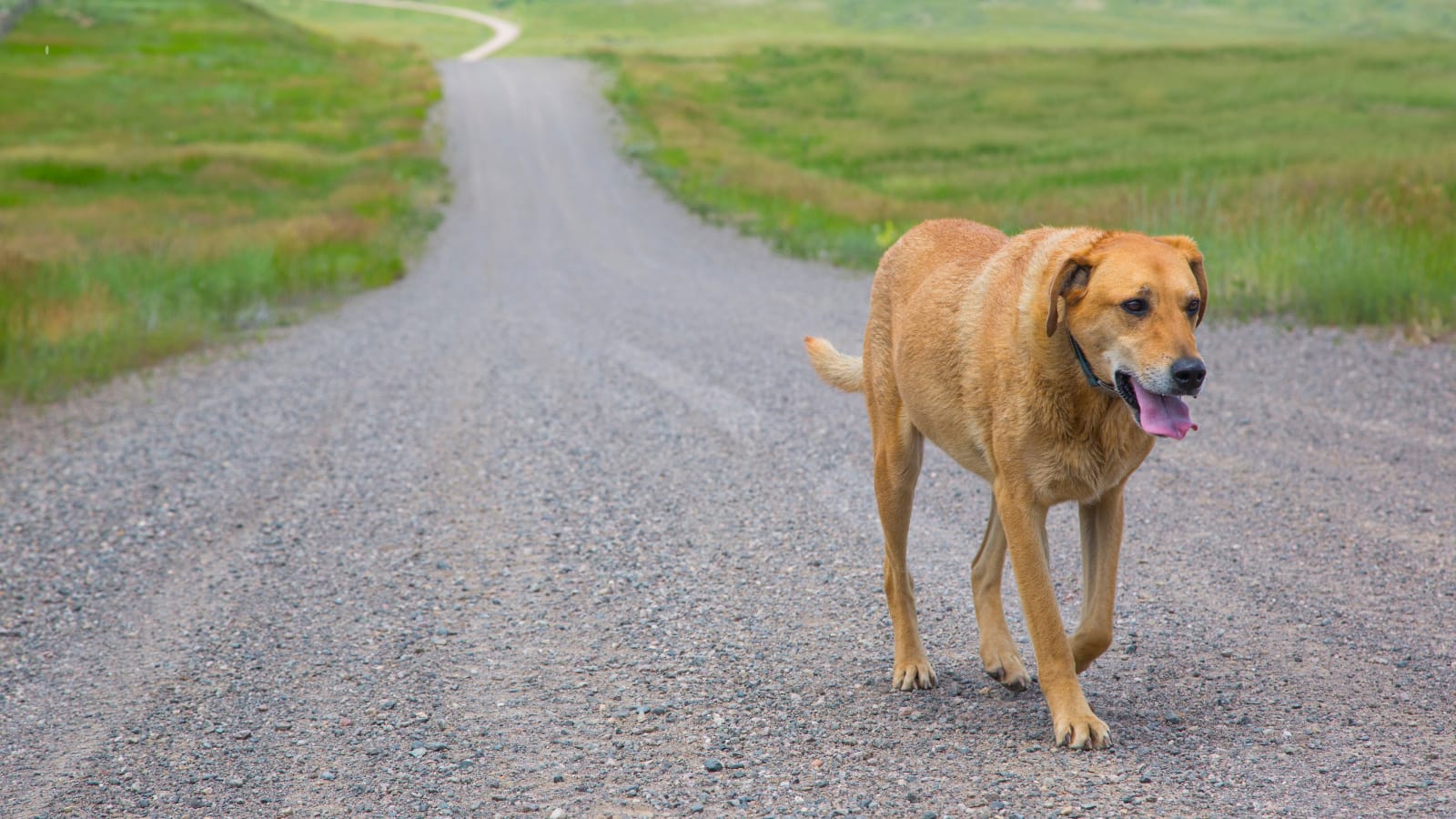
If your dog has run off, search around your home and your usual walking routes first, and put a blanket with his scent outside. Report him missing within an hour. In Belgium you set him to “lost” in DogID and notify the police and nearby shelters. In the Netherlands you report him to Amivedi, to the shelter your municipality designates and to the animal ambulance. The sooner those reports are in, the better the chance that a finder or a vet can reach you.
The first hour: searching
A dog often isn’t far away. Start close by:
- house, garden, garage, shed and cellar, even if you’re sure he isn’t there
- the street and the places you often walk: the park, the woods, the off-lead area
- the route to somewhere he likes, such as a dog friend a few streets away
Call his name calmly, not in a rush. A dog that’s had a fright comes sooner to a familiar, calm voice or to the rustle of a treat bag. Ask neighbours to check their garden and garage. Have someone stay home in case he comes back on his own, and put a blanket, his bed or a piece of your clothing outside the door.
An anxious dog, for example one that bolted from fireworks or after an accident, often hides and doesn’t come when called. If you spot him, don’t chase him. Sit down, look away and wait for him to come to you. Chasing drives him further off. A panicking dog sometimes doesn’t even recognise you. Never call him towards you if there’s a road between you. Stay low to the ground and toss a few treats in his direction.
Reporting in Belgium
Set your dog’s status to “lost” in DogID. A vet or shelter that scans his chip sees it straight away and can call you. Then report him to the local police, with his 15-digit chip number from his passport and a clear photo.
Call nearby shelters too and ask whether he’s been brought in. In Flanders, approved shelters are listed on Vlaanderen.be and adopteereendier.be. In Brussels and Wallonia, ask your municipality for the list. On GoPuppy you’ll find them under shelters. The municipality can tell you what happens to found dogs and whether a dog hit by a car has been found recently. Leave a photo and your phone number with the vets in your area.
Reporting in the Netherlands
Report your dog on amivedi.nl, the national reporting point for lost and found pets. You can make a missing poster there as well. Every municipality designates a shelter for found animals, and a dog that someone finds and reports ends up there. Call that shelter and register your dog. Notify the dierenambulance (animal ambulance) in your region as well.
On chipnummer.nl you can see which database his chip is registered with. Check there that your address and phone number are still correct. Report him to the police and local vets too, especially if you think he was stolen.
How registration works in both countries is explained in microchipping and registration.
Spreading the word
Post a photo, a short description, the place he disappeared and your phone number on social media. Local Facebook groups for your town or neighbourhood are widely read. Put up posters at the vet, the bakery, the station and on posts along your walking route.
Don’t name a sum if you offer a reward. People who don’t have your dog may try to take advantage. Also leave one distinguishing feature out of your appeal, so you can check whether a caller has really seen your dog.
For the first few days, walk your usual routes every morning and evening, when it’s quiet. Dogs that have hidden come out more often then.
You find a dog yourself
Check whether he wears a collar with a name or number. Don’t approach a frightened dog: he may bite out of fear. If he’s calm, you can hold him or put him in your garden until help arrives.
In Belgium, call the police on 101 if there’s a danger to traffic or people. Without immediate danger, contact the local police or the municipality, who can have the chip read. In the Netherlands, call 112 for immediate danger, and 144, the animal emergency number, for an injured or hit animal. You’re legally required to report a found animal to the municipality, in practice to the shelter it designates. The chip is scanned there, or at any vet. Share a photo on Amivedi or on social media.
If you find a dead dog, report it to the municipality. They can check the chip and inform the owner.
What to do step by step when you find a dog is covered in found a dog: what now?.
Prevention
A dog often runs off in a situation you can see coming: fireworks, an open gate during building work, a new holiday spot, the first weeks after an adoption. Keep him on the lead then, even if he normally listens well. How to prepare him for New Year’s Eve is in dog scared of fireworks. And check once a year that his chip registration still shows your current address and number.
Frequently asked questions
What do I do first if my dog has run off? Search around the house and the places you often walk, and ask neighbours to look too. Put a blanket or bed with his scent outside. Then report him missing: in Belgium in DogID, to the police and to nearby shelters; in the Netherlands to Amivedi, your municipality’s designated shelter and the animal ambulance.
How do I mark my dog as lost in DogID? Log in to DogID and set your dog’s status to “lost”. Vets and shelters that scan his chip then see straight away that he’s being looked for and can reach you. Check right away that your phone number is still correct.
My dog is microchipped. Isn’t that enough? Only if the chip is registered in your name with your current details. In the Netherlands, chipnummer.nl shows which database a chip is registered with. In Belgium you check it in DogID.
What do I do if I find a stray dog? Don’t approach a frightened dog, as he may bite. If there’s a danger to traffic or people, call the police: 101 in Belgium, 112 for immediate danger in the Netherlands, and 144 for an injured animal. Otherwise report the dog to the police or municipality in Belgium, or to the shelter designated by the municipality in the Netherlands. They’ll read his chip.