FCI 236 · Australia

Australian Silky Terrier

A small Australian terrier with a silky coat, developed from the Australian Terrier and the Yorkshire Terrier.

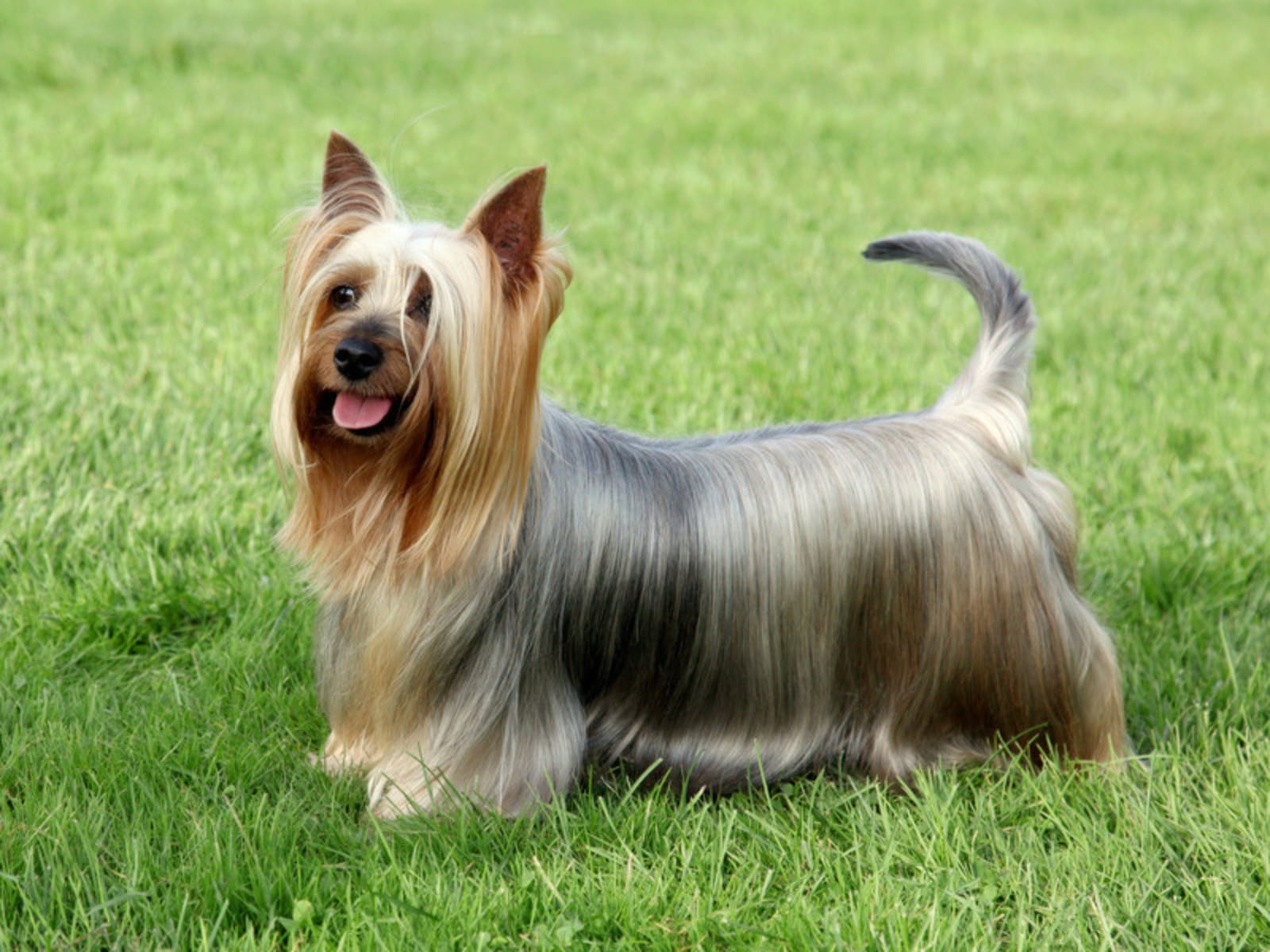
Australian Silky Terrier standing on the grass

Breed facts

FCI
no. 236 · group 3, toy terriers
Origin
Australia
Height at withers
23–26 cm
Size
Bitches may be slightly smaller; weight should be in proportion to height.
Exercise
up to 30 minutes a day (according to the Royal Kennel Club)
Lifespan
over 12 years
Coat
medium length, sheds

The GoPuppy profile

These are breed averages and our own assessment. Your own dog’s age, fitness and training matter more.

  1. WalkingOne to two hoursThe Royal Kennel Club gives up to 30 minutes of exercise a day.
  2. Dog sportScent work and one sportAgility, hoopers and scentwork suit an active small terrier.Suitsagilityhoopersscent work
  3. Terraces and cafésTerrace with some practiceThe standard calls him alert, active and courageous.
  4. Travel and staysTravels easilySmall and light, easy to take along.
  5. CityCity dogThe RKC says a flat is enough. The coat needs daily grooming.

Temperament

According to the FCI standard the Silky Terrier shows terrier characteristics: keen alertness, activity and soundness. He is a courageous and dignified toy terrier and second to none as a companion.

Origin

His two main ancestors are the Australian Terrier and the Yorkshire Terrier. Between 1820 and 1830 a blue rough-coated bitch from Tasmania was taken to England and mated to a Dandie Dinmont Terrier. A Mr Macarthur Little of London bought puppies from that litter and bred on for a soft, silky coat. He later moved to Sydney and continued with Australian and Yorkshire Terriers. The first breed standard dates from the early 1900s. The FCI places him in Group 3, Section 4, toy terriers.

Health

The Royal Kennel Club prioritises genetic diversity and lists no further tests for this breed.

Size

Dogs measure 23 to 26 cm; bitches may be slightly smaller. Weight should be in proportion to height.

Health: what a good breeder tests for

  • Prioritising genetic diversity when choosing the parents

Ask for the parents’ results when you visit a litter. This is not medical advice; your vet knows your dog.

Breeders of this breed on GoPuppy

No breeder of this breed on GoPuppy yet.

GoPuppy does not check breeders’ health tests. A listing here is not a seal of approval.

Read also