FCI 77 · Belgium and France

Papillon

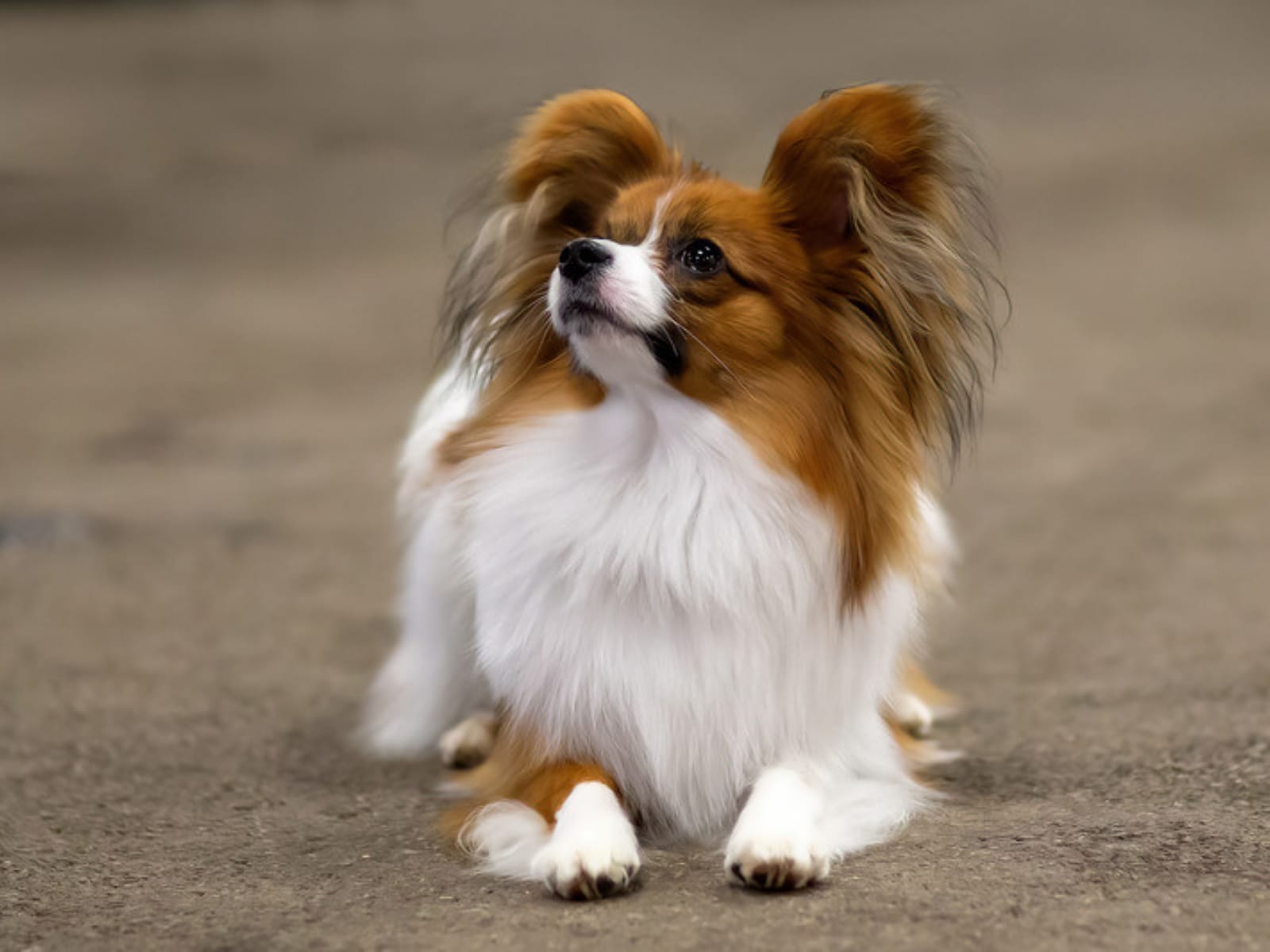
A toy spaniel with erect, fringed ears that give him his name: 'papillon' is French for butterfly. The variety with drooping ears is called the Phalène, after a moth.

Papillon with his typical butterfly ears

Breed facts

FCI
no. 77 · group 9, continental toy spaniels
Origin
Belgium and France
Size
About 28 cm. The standard has two weight classes: under 2.5 kg, and 2.5 to 4.5 kg (males) or 5 kg (females).
Weight
1.5–5 kg
Exercise
up to 30 minutes a day (according to the Royal Kennel Club)
Lifespan
over 12 years
Coat
medium length, sheds

The GoPuppy profile

These are breed averages and our own assessment. Your own dog’s age, fitness and training matter more.

  1. WalkingOne to two hoursThe Royal Kennel Club gives up to thirty minutes of exercise a day. A healthy Papillon happily walks a little further at an easy pace.
  2. Dog sportScent work and one sportAgility in the smallest class, hoopers and scent work suit a dog the standard calls 'lively' and 'graceful yet robust'.Suitsagilityhoopersscent work
  3. Terraces and cafésTerrace with some practiceSmall and lively. He fits on a lap or under a chair.
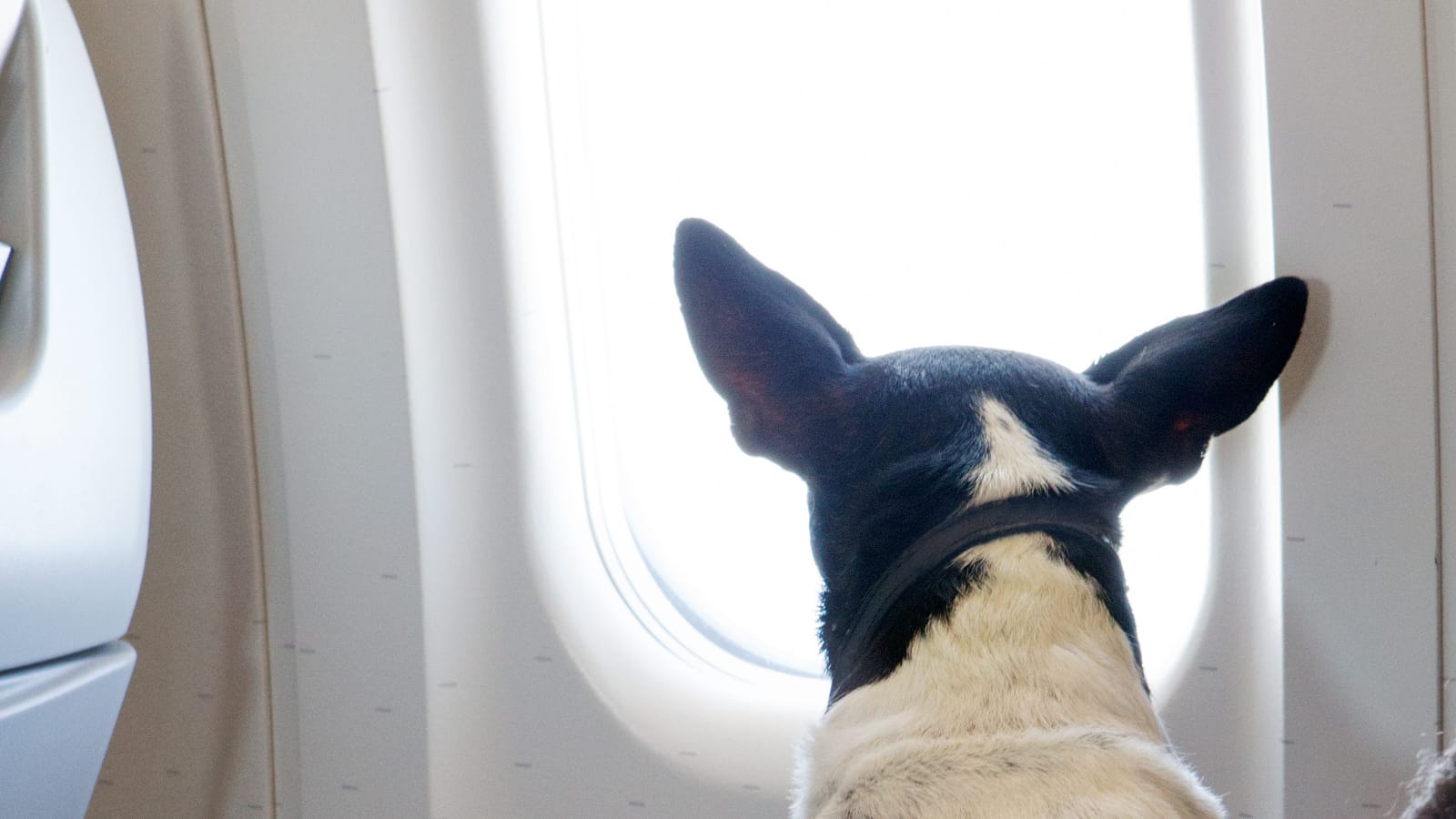
  4. Travel and staysTravels easilySmall and light, easy to carry in a bag or crate, and in the cabin if the airline accepts dogs.
  5. CityCity dogThe Royal Kennel Club says a flat is enough, even without a garden, in town or country.

Character

The FCI standard describes the Continental Toy Spaniel as a small de luxe toy spaniel with a lively personality, graceful yet robust, with a proud carriage and an easy, elegant gait.

Two varieties

The Continental Toy Spaniel standard has two varieties that differ only in the ears. The Papillon carries them erect and open to the side, with long fringes, like a butterfly’s wings. The Phalène has drooping ears. Semi-erect ears, which sometimes appear when the two varieties are crossed, are a serious fault according to the standard. The breed comes from France and Belgium; the FCI places it in Group 9, section 9.

Health

The Royal Kennel Club puts genetic diversity first and recommends DNA tests for pap-PRA (an inherited eye disease), NAD and vWD1, along with eye testing.

Size

About 28 cm tall. The standard has two weight classes: under 2.5 kg, and 2.5 to 4.5 kg for males or up to 5 kg for females. The minimum weight is 1.5 kg.
Health: what a good breeder tests for

  • Prioritising genetic diversity when choosing the parents
  • DNA test for pap-PRA
  • DNA test for NAD and vWD1
  • Eye testing

Ask for the parents’ results when you visit a litter. This is not medical advice; your vet knows your dog.

Breeders of this breed on GoPuppy

GoPuppy does not check breeders’ health tests. A listing here is not a seal of approval.

Read also