Temperament
The FCI standard calls him very lively and intelligent, sober and rustic. Each size has its job: the large one for big game, the medium one for rabbits, in a pack or alone, the small one for searching rabbits in holes and among rocks. All sizes are also kept as watchdogs and companions.
Origin
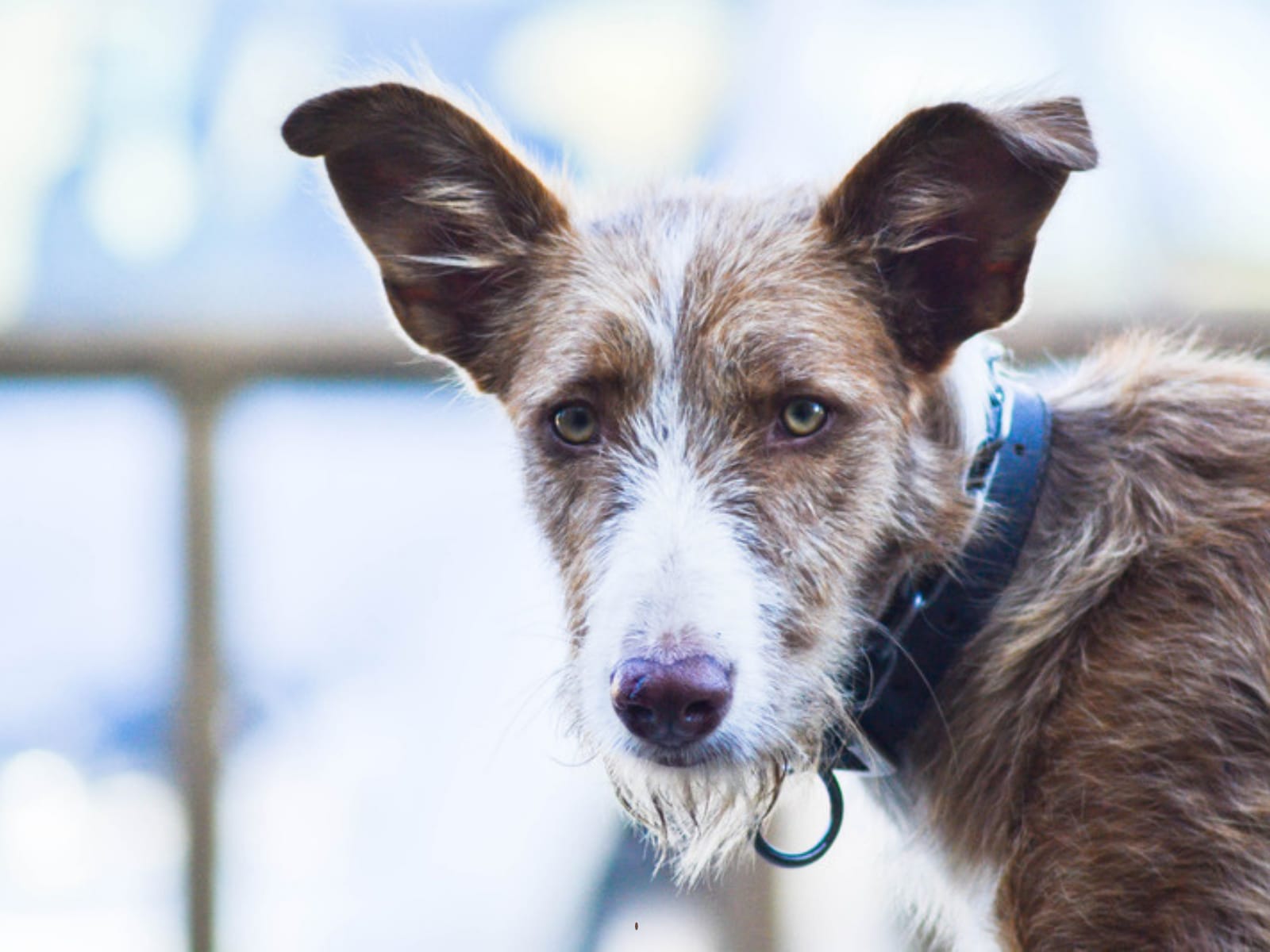
He probably descends from ancient dogs that Phoenicians and Romans brought to the Iberian Peninsula, later influenced by the dogs of the Moors in the 8th century. From the 15th century on, the small size sailed as a ratter on the caravels of the Portuguese navigators. The Royal Kennel Club writes that he became very popular in Portugal from the 16th century, today mostly as a family companion. The coat is short and smooth or long and wiry, without undercoat. The FCI places him in group 5, section 7, primitive type hunting dogs.
Health
The Royal Kennel Club breed page describes a small dog. The Royal Kennel Club prioritises genetic diversity and lists no further tests for this breed.
Size
The breed comes in three sizes. Small: 20 to 30 cm and 4 to 6 kg. Medium: 40 to 54 cm and 16 to 20 kg. Large: 55 to 70 cm and 20 to 30 kg.