FCI 208 · Tibet (China)

Shih Tzu

A small companion dog with roots in Tibet, developed further in the imperial palaces of China. He is made for the terrace and the city; in hot weather and on long outings, his short muzzle comes into play.

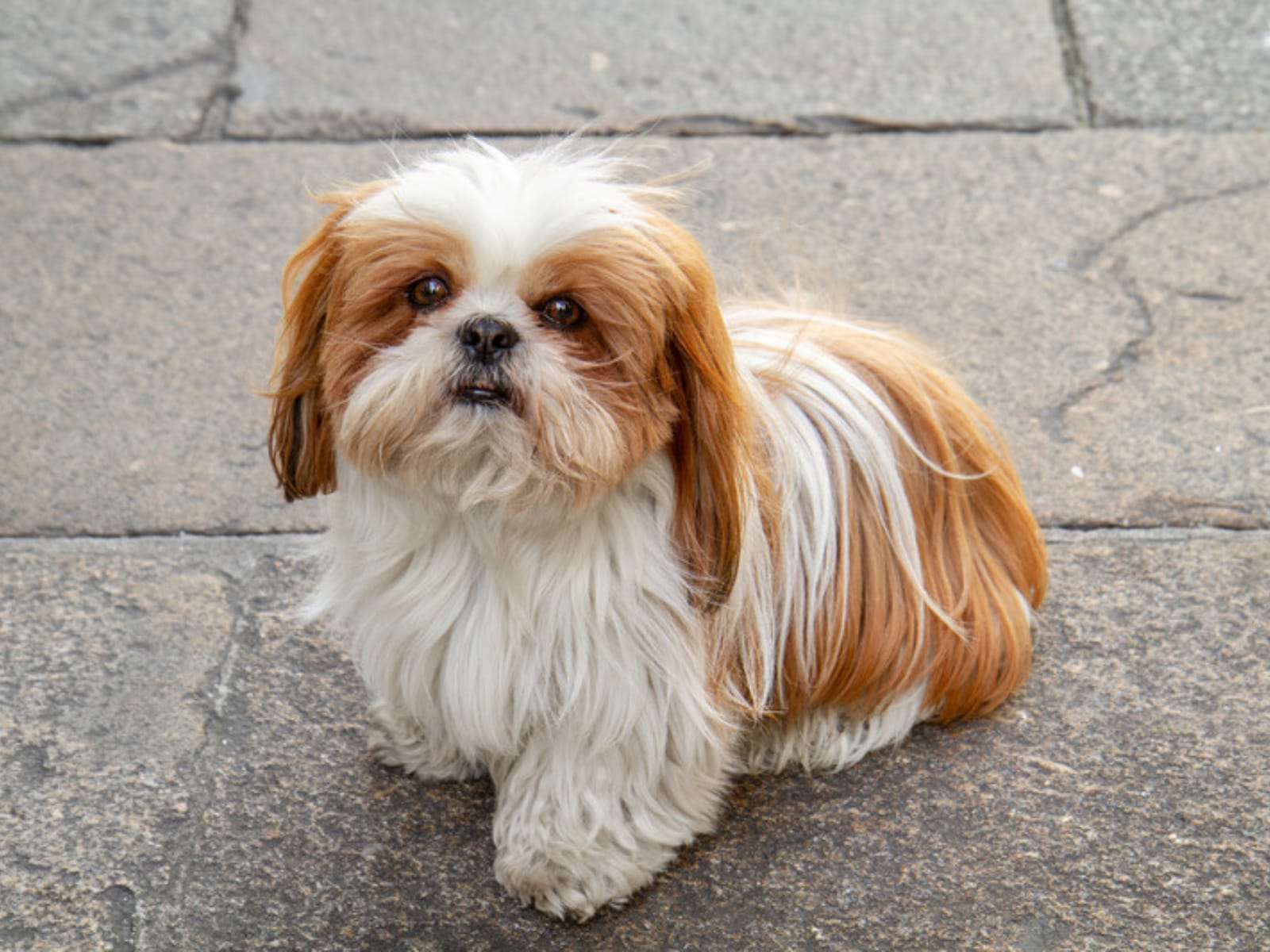
Shih Tzu on a city street

Breed facts

FCI
no. 208 · group 9, Tibetan breeds
Origin
Tibet (China)
Height at withers
at most 27 cm
Weight
4.5–8 kg
Exercise
up to 1 hour a day (according to the Royal Kennel Club)
Lifespan
over 10 years
Coat
long, sheds little

The GoPuppy profile

These are breed averages and our own assessment. Your own dog’s age, fitness and training matter more.

  1. WalkingShort loopsThe Royal Kennel Club gives up to an hour of exercise a day. Short loops suit him best; keep exertion low in warm weather, because a short muzzle cools less well.
  2. Dog sportNot a sports dogCalm activities such as scent work and hoopers. We advise against running and jumping for a flat-faced dog.Suitsscent workhoopers
  3. Terraces and cafésCalm on a terraceThe standard calls him 'friendly and independent', and he was bred as a companion dog. Small, calm and easy to hold on a lap or settle under a chair.
  4. Travel and staysTravel takes preparationSmall and easy to take along. For a flight or a summer trip south, his short muzzle matters: some airlines have their own rules for flat-faced breeds.
  5. CityCity dogThe Royal Kennel Club says a flat is enough, in town or country. A real city dog, as long as the coat is kept up.

Character

The FCI standard describes the Shih Tzu as “intelligent, active and alert. Friendly and independent”. His function in the standard is “companion dog”.

Origin

According to the standard, the breed’s roots lie in Tibet, but it was developed in China, where such dogs lived in the imperial palaces. After 1912 they found their way to the West; the first recorded import to Britain dates from 1931. The typical ‘chrysanthemum’ head comes from the hair growing upwards on the bridge of the nose. The FCI places him in Group 9, Section 5, the Tibetan breeds.

Coat and breathing

The Royal Kennel Club mentions a long coat that needs grooming every day, and a dog that sheds little. A grooming salon helps keep the coat short and free of tangles. The club recommends a breathing test to breeders (BOAS, Respiratory Function Grading); from January 2027 it is part of its health standard. Ask a breeder for the result.

Size

The height at the withers is at most 27 cm. Weight is between 4.5 and 8 kg.

Health: what a good breeder tests for

  • Eye examination
  • BOAS breathing test (Respiratory Function Grading); part of the Royal Kennel Club health standard from January 2027

Ask for the parents’ results when you visit a litter. This is not medical advice; your vet knows your dog.

Breeders of this breed on GoPuppy

No breeder of this breed on GoPuppy yet.

GoPuppy does not check breeders’ health tests. A listing here is not a seal of approval.

Read also