
Puppy checklist: what to have at home before your puppy arrives
Bed, the breeder's food, harness, ID tag and chew toys: the puppy shopping list, puppy-proofing and the papers at handover in Belgium and the Netherlands.
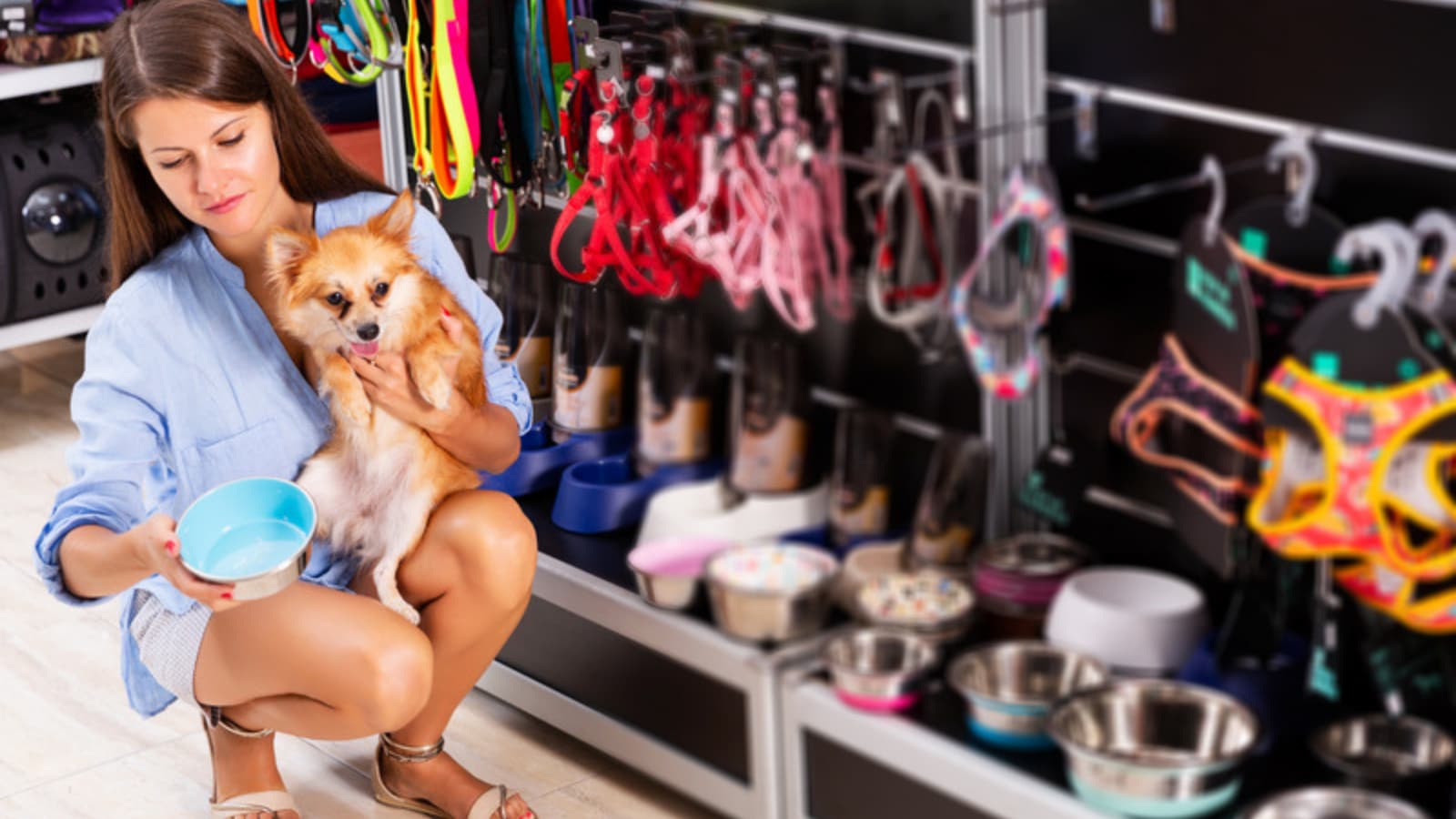
Before your puppy comes home, you need a place for him to sleep, the food the breeder gives, a food bowl and a water bowl, a collar or harness with a light lead, an ID tag with your phone number, a few sturdy chew toys, a brush, poo bags and an enzyme cleaner. A puppy gate comes in handy if you want to keep him in one room. Vlaanderen.be puts the equipment at 100 to 400 euros. You’ll also need to tidy away cables, shoes and toxic plants, and agree on the same rules with the whole household. At handover, in both Belgium and the Netherlands, you receive a European pet passport, and the microchip has to be registered in your name.
General information, not legal or veterinary advice. Rules can change. If you’re unsure about your own situation, check with your vet, DogID or the RVO.
The puppy shopping list
| What | What to look for |
|---|---|
| Bed or crate | A dry, comfortable spot where he’s left in peace. A crate is not somewhere to spend the whole day. |
| Food | The same brand and type as at the breeder’s, for the first few days. |
| Food and water bowls | Two separate bowls, with fresh water always available. |
| Collar or harness and lead | Light and adjustable, because he grows fast. No choke chain. |
| ID tag | With your phone number on it. |
| Chew toys | Sturdy, so no pieces break off. A few different kinds. |
| Brush | Suited to his coat. |
| Poo bags | Always a roll clipped to the lead. |
| Enzyme cleaner | For wee and sick indoors. |
| Puppy gate (optional) | To close off the kitchen or part of the living room. |
Put the bed in a quiet corner of a room where the family spends a lot of time, so he isn’t left alone in a hallway or garage. Vlaanderen.be calls a dry, comfortable sleeping place a requirement and says a crate is not suitable as permanent housing. A crate can still become a safe den for short naps, as long as you get him used to it gradually.
Ask the breeder which food the puppies get and how much. According to the LICG, you often go home with some food and a cloth or toy that smells of the litter. Put that cloth in his bed. If you want to change food later, discuss it with your vet.
The LICG recommends a plain collar or a harness with a light lead. A choke chain has no place on a puppy. Choose a size that leaves room for two fingers between neck and collar, and check it every week. The ID tag works alongside the microchip: whoever finds your puppy can ring you straight away without first hunting for a chip reader.
Chewing is part of being a puppy, especially while the adult teeth come through. Vlaanderen.be suggests a few safe chew toys or a chew. The LICG asks for sturdy toys that don’t break quickly, and advises against handing down the children’s old toys. A hollow rubber toy filled with some of his kibble keeps him busy for a while.
There will be accidents indoors. An enzyme cleaner breaks down the odour compounds in urine, so your puppy is less likely to go back to the same spot. Skip products with ammonia, which to a dog smell like urine.
A puppy gate lets you set up a small, safe area where your puppy can stay when you can’t keep an eye on him: his bed, water, a few chew toys and nothing he shouldn’t gnaw. Many people use the kitchen.
If you’re torn between the local shop and ordering online, read pet shop or order online. To find one near you, see the pet shops on GoPuppy. In a shop you can try the collar on too.
Puppy-proofing your home
A puppy explores everything with his mouth. Before he arrives, go through the rooms he’ll be allowed in on your hands and knees and look at what’s within his reach.
Vlaanderen.be lists electrical cables as a hazard. Tuck them behind furniture or into a cable cover, or position the gate so he can’t get to them. Put away string, plastic bags and elastic bands. Shoes, slippers, socks and the children’s toys come off the floor, because they smell of you and draw a puppy all the more.
Cleaning products and other chemicals belong behind closed doors, according to Vlaanderen.be. The same goes for slug pellets, ant traps and rat poison in the garage or garden. Keep medicines up high or in a cupboard that closes.
Among toxic plants, Vlaanderen.be names aloe vera, daffodils (mainly the bulb) and oleander. That list is not complete. If you don’t know a plant, move it out of reach until you’ve checked. Which foods to keep off the worktop is covered in what dogs can’t eat.
House rules
Vlaanderen.be asks the whole household to agree on the same rules and stick to them. A puppy learns faster when everyone does the same thing. Decide now, for example, whether he’ll be allowed on the sofa, including once he’s fully grown. He won’t understand a rule that changes after a few months.
For who does what, a simple rota is enough: who feeds him in the morning, who takes him out after lunch, who handles the last wee before bed. Pick one word together for going outside and one for doing his business, so he doesn’t hear four different commands.
With children in the house, also agree that he’s left alone in his bed and that nobody picks him up without an adult nearby. Vlaanderen.be puts it briefly: don’t leave the dog alone with children. There’s more on this in children and dogs.
Papers at handover
In Belgium
According to Vlaanderen.be, every dog must be microchipped and registered by 8 weeks at the latest. Only a vet may insert the chip, and the vet records the chip number in DogID together with the dog’s and the owner’s details. DogID says the seller or rescue centre must have the dog registered by a vet beforehand. When the sale goes through, the seller or rescue centre reports the transfer to DogID and makes sure the dog is registered in your name.
Vlaanderen.be says you receive the European pet passport straight away. Two to three weeks after the purchase or adoption, a definitive identification and registration certificate arrives by post. It’s a self-adhesive label for the passport, with a white card for reporting a change of keeper later on. If it doesn’t arrive, check with the seller or your vet. The registration shows who is responsible for the dog. It is not proof of ownership.
If you live in Wallonia, since 1 July 2022 you need an extract from the central register of environmental and animal welfare offences to buy, adopt or receive a dog. You request it from your municipality, no more than 30 days before you collect the puppy. Each municipality decides whether it charges for it.
In the Netherlands
In the Netherlands, every dog is microchipped and registered through an approved portal within seven weeks of birth. According to the RVO, this has been mandatory since 2013. A dog born on or after 1 November 2021 must also have a valid EU pet passport, and the RVO says the same applies to any dog that gets a new keeper. The RVO advises never buying a dog without a microchip, registration and a valid passport.
After the purchase, you register the dog in your own name with an approved registration portal within 2 weeks. You’ll need the chip number for that. The LICG suggests asking the breeder for proof of registration, as well as the vet’s report and the dates the puppies were wormed. According to the LICG, a breeder who breeds commercially is legally required to give you information. Put the sale in writing, with a contract.
How microchipping and registration work is explained in microchipping and registration in Belgium and the Netherlands.
What it costs
Vlaanderen.be gives a rough guide. Buying a dog ranges from about 200 euros for a rescue dog to 2,000 euros or more for a pedigree. For a harness, lead, bed, food and water bowls and chew items, allow 100 to 400 euros. Food, flea prevention, wormers and vaccinations come to 50 to 110 euros a month, noticeably more for large dogs. If your dog falls ill, the costs can climb. These figures come from the Flemish government. We haven’t found a comparable figure from an official Dutch source.
After your puppy arrives
How to keep the first days calm is covered in puppy at home. In our puppy guide, this checklist sits under the weeks before, between choosing a breeder and the first weeks at home.
Prefer to tick things off on paper? Our own book, My puppy journal, has checklists in its Getting Ready chapter to help you prepare your home for your puppy.
Frequently asked questions
What do you need for a puppy? A bed or crate, the food the breeder was giving, a food bowl and a water bowl, a collar or harness with a light lead, an ID tag with your phone number, a few sturdy chew toys, a brush that suits the coat, poo bags and an enzyme cleaner for accidents indoors. A puppy gate is handy if you want to keep your puppy in one part of the house.
Should I keep feeding the same food as the breeder? For the first few days, yes. According to the LICG, it’s usually best to keep giving the same food as the breeder did, because a sudden change can cause vomiting and diarrhoea. If you want to switch later, talk to your vet and mix the new food into the old for a few days.
Which papers should I get with a puppy? In Belgium, the puppy is microchipped by 8 weeks at the latest and registered in DogID by a vet. You get the European pet passport straight away, and two to three weeks later a registration certificate arrives to stick in the passport. In the Netherlands, a dog born on or after 1 November 2021 must have a valid EU pet passport, and so must any dog that changes owner. You register the dog in your own name with an approved registration portal within 2 weeks.
How much does puppy equipment cost? Vlaanderen.be puts a harness, lead, bed, food and water bowls and chew items at 100 to 400 euros. After that, food, flea prevention, worming and vaccinations come to 50 to 110 euros a month, more for a large dog.
Collar or harness for a puppy? Either works. The LICG recommends a plain collar or a harness with a light lead, and no choke chain. Let him wear it indoors first so he gets used to it before you head outside.