
What can't dogs eat? Chocolate, grapes and other foods that are toxic to dogs
Chocolate, grapes, xylitol and onion are toxic to dogs. Why, how much is dangerous, and who to call in Belgium and the Netherlands if your dog eats some.
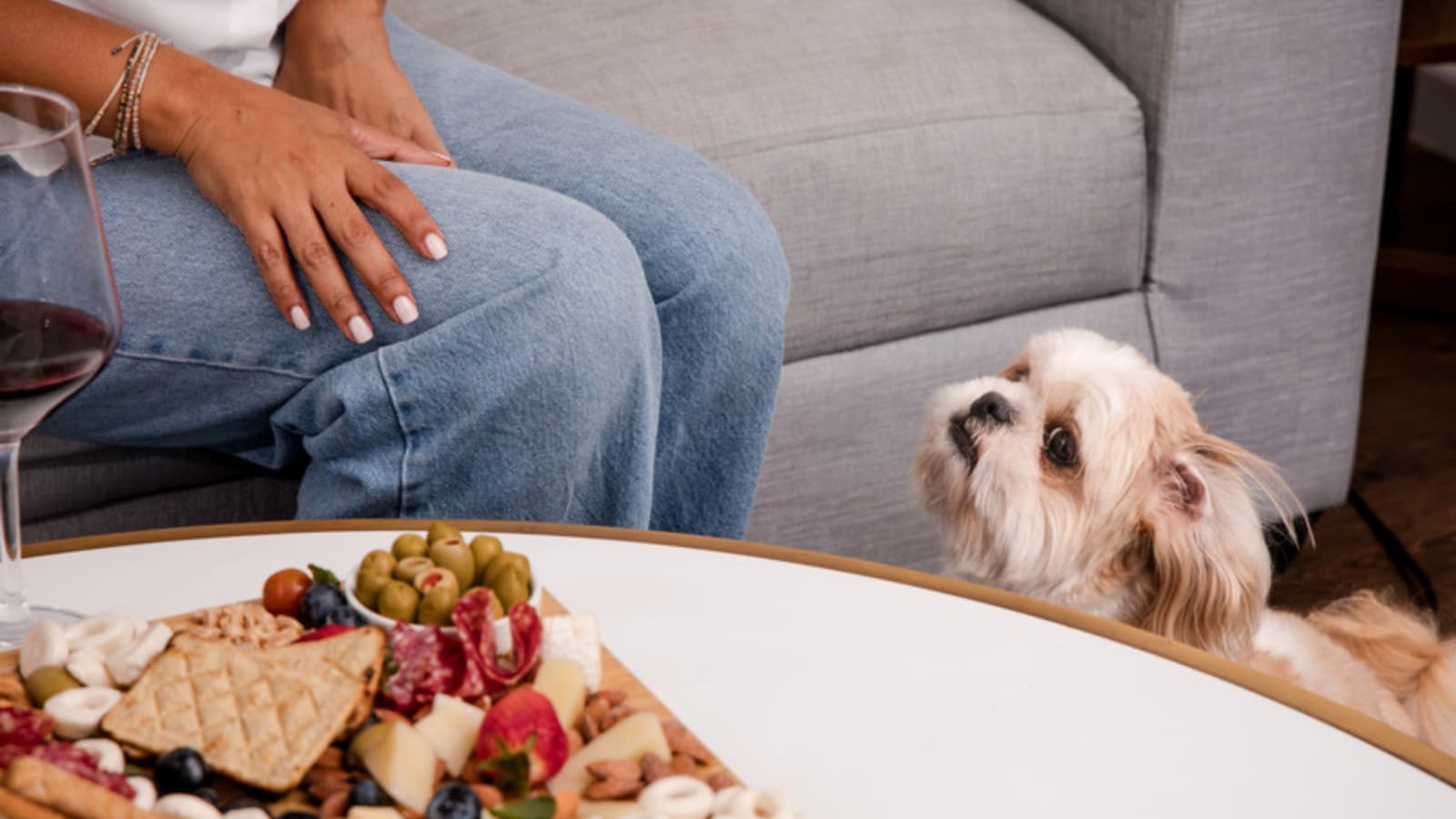
Chocolate, grapes and raisins, xylitol, onion, garlic and leek, macadamia nuts, alcohol, caffeine and raw yeast dough are all toxic to dogs. Cooked bones belong on the list too, because they splinter. Avocado mostly gives dogs an upset stomach, though it’s still best not to share it. If your dog has eaten anything on this list, call your vet straight away, even if he seems fine, and keep the packaging. Don’t make him sick yourself. In Belgium you can also call the Poison Centre on 070 245 245. In the Netherlands everything goes through the vet, who can consult the National Poisons Information Centre if in doubt.
This information is no substitute for a vet. What a dog can tolerate depends on the dog, its weight and the product. If in doubt, call your vet.
Chocolate and dogs: why it’s poisonous
Chocolate contains theobromine, a substance from the same family as caffeine. According to the LICG, the Dutch information centre for companion animals, it’s toxic to a dog’s heart and nervous system. The darker the chocolate, the more theobromine it contains. The LICG puts dark chocolate at 4.6 to 16 mg of theobromine per gram on average, milk chocolate at 1.5 to 2.2 mg and white chocolate at 0.001 mg. Cocoa powder and baking chocolate are higher still, according to the ASPCA.
The LICG sees the first symptoms from 20 mg of theobromine per kilo of body weight. A small dog reaches that point sooner than a large dog eating the same bar. The Belgian Poison Centre gives a practical rule of thumb: call the vet if your dog has eaten more than 2 grams of dark chocolate or more than 10 grams of milk chocolate per kilo of body weight. For a 10-kilo dog, that comes to 20 grams of dark chocolate or 100 grams of milk chocolate. With white chocolate or smaller amounts, treatment is usually unnecessary, the centre says.
According to the LICG, the first signs appear after about 1 to 4 hours, sometimes only after 6 to 24 hours. If your dog swallowed the chocolate wrapper and all, they can take a few days longer. He becomes restless, vomits, has diarrhoea, and drinks and wees a lot. In severe cases his heart beats irregularly, he breathes fast and has epileptic seizures. There is no antidote. The vet treats the symptoms and makes him vomit if he ate it recently.
Around Sinterklaas and Christmas, chocolate letters and chocolate coins tend to lie within easy reach. The LICG advises keeping them out of your pets’ way. Cocoa shell mulch, which some gardeners spread on their beds, also contains theobromine, and the LICG notes that dogs in particular find it tempting to eat.
Grapes and raisins
Grapes, raisins, currants and sultanas can cause acute kidney failure in dogs. According to the Belgian Poison Centre, nobody knows yet why. The MSD Veterinary Manual names tartaric acid as the likely cause, because dogs are poor at getting rid of it.
The LICG gives a toxic amount of about 20 grams of grapes or 3 grams of raisins per kilo of body weight. Don’t rely on it. According to the PDSA, sensitivity varies widely between dogs and in some cases a very small amount is enough. A dog that once ate a grape with no ill effects can still fall ill the next time. Think too of currant bread, Christmas stollen and biscuits with raisins.
Vomiting and diarrhoea come first, usually within 6 to 12 hours according to the MSD Veterinary Manual. Kidney failure can then develop over the next 1 to 3 days, the PDSA says. So don’t wait for your dog to fall ill. The sooner the vet makes him vomit and puts him on a drip, the better.
Xylitol in chewing gum and peanut butter
Xylitol, also called birch sugar or E967, is a sweetener found in sugar-free chewing gum, sweets, mints, toothpaste and some baked goods. The US FDA warns that some peanut and nut butters contain it as well. If you spread peanut butter on a lick mat or use it to hide a tablet, read the label first.
In a dog, xylitol triggers a surge of insulin, so his blood sugar can drop within 10 to 60 minutes, according to the FDA. The LICG sees symptoms from half an hour after eating: vomiting, weakness, lethargy and seizures. The liver can fail after that. A packet of gum in a handbag on the floor is a real risk.
Onion, garlic and leek
Onion, garlic, leek and chives belong to the allium family, whose compounds destroy a dog’s red blood cells. According to the PDSA, they stay toxic when cooked or dried. They also turn up in sauces, gravy, stuffing, ready meals and baby food. The Belgian Poison Centre advises against giving your dog leftover soup or onion tart.
The symptoms are slow to show. The LICG writes that they can appear within 24 hours but usually only become visible after a few days. You’ll see pale gums, weakness, faster breathing and often dark brown urine. Because the signs come so late, it’s easy to miss the link with that one meal. Tell your vet what your dog has eaten over the past few days.
Macadamia nuts and other nuts
Macadamia nuts are toxic to dogs, even in small amounts. Nobody knows exactly why yet. Within a few hours the dog becomes weak, runs a fever, trembles and has trouble walking. According to the LICG, these symptoms usually pass on their own within 24 to 48 hours. The LICG still advises calling the vet straight away.
Walnuts are safe, according to the Belgian Poison Centre. Their hard shells, on the other hand, can block the gut. Mouldy nuts and other mouldy food can cause muscle tremors.
Avocado
Persin, the toxic substance in avocado, mainly affects birds, rabbits and rodents. In dogs it mostly causes stomach and gut problems, according to the LICG, and the PDSA points to its high fat content. The Belgian Poison Centre advises against giving avocado to dogs. If yours has eaten some, ask your vet for advice.
Alcohol, coffee and caffeine
Alcohol is absorbed quickly. The ASPCA lists vomiting, diarrhoea, loss of coordination, tremors, breathing difficulties, coma and, at worst, death. A dog licking up the last of a glass of wine or a cocktail often weighs a lot less than the person it was poured for.
Coffee and coffee beans are toxic to dogs, according to the Belgian Poison Centre. Caffeine belongs to the same group of substances as theobromine, and the PDSA says pets are much more sensitive to it than we are. A spilled bag of coffee beans or a coffee pod fished out of the bin is a reason to call the vet.
Raw yeast dough
Dough that still has to rise keeps rising in a dog’s warm stomach. The ASPCA warns that the stomach can swell painfully and, at worst, twist, which is a life-threatening emergency. The yeast also produces alcohol, so the dog can get drunk on it as well. Don’t leave a bowl of rising pizza or bread dough on the worktop if your dog can reach it.
Cooked bones
A bone isn’t a poison. The danger lies in the sharp pieces it breaks into. The PDSA regards both raw and cooked bones as hazardous to dogs and says cooked bones splinter more easily, chicken bones especially. Those splinters damage the digestive tract. Larger pieces can get stuck in the throat or bowel, which is life-threatening. After a barbecue, put the rubbish bag outside straight away.
What dogs can eat
A few fruits and vegetables make a good occasional reward. The PDSA lists carrots, raw or cooked, peeled banana, blueberries and apple with the core and pips removed. Cut them into small pieces, with no oil, butter or salt. Take whatever you give as a treat off his normal food, because too many extras make a dog overweight too. For feeding a puppy in the first weeks, read bringing a puppy home.
What to do if your dog has eaten something poisonous
Call your vet, even if your dog is still trotting around happily. With chocolate and grapes the symptoms only appear after a few hours, while a vet prefers to make a dog vomit soon after eating. For chocolate, the MSD Veterinary Manual mentions the first two hours. If your own practice is closed, find an emergency vet. On GoPuppy you’ll find vets in Belgium and the Netherlands.
Have these details ready when you call: what your dog ate, roughly how much, when, and how much he weighs. Take the packaging, the label or what’s left of the product to the practice. For chocolate the cocoa percentage matters. For chewing gum or peanut butter it’s the ingredients list.
Don’t make your dog sick yourself. The Belgian Poison Centre and the PDSA both advise against it, and the LICG states plainly that you should never use salt. If vomiting would help, the vet gives an injection that brings it on safely. The Poison Centre also asks you not to give the animal anything to swallow, so no milk or home remedies.
In Belgium you can call the Poison Centre (Antigifcentrum in Dutch, Centre Antipoisons in French) on 070 245 245. For animals it answers on weekdays from 8 am to 4 pm and at weekends and on public holidays from 10 am to 4 pm. Urgent calls about people take priority, and the centre itself advises calling your vet first if you suspect poisoning.
In the Netherlands the LICG points you to your own vet. If the vet isn’t sure whether something is toxic, they can ask the National Poisons Information Centre (NVIC) at UMC Utrecht for information. For a dog, contact with that centre goes through the practice.
What to take for first aid on the go is in a first aid kit for your dog. For poisoning outside the kitchen, read about blue-green algae in swimming water and the oak processionary caterpillar.
Frequently asked questions
How much chocolate is dangerous for a dog? It depends on the type of chocolate and your dog’s weight. The Belgian Poison Centre advises calling the vet if your dog has eaten more than 2 grams of dark chocolate or more than 10 grams of milk chocolate per kilo of body weight. For a 10-kilo dog, that’s 20 grams of dark chocolate or 100 grams of milk chocolate. Cocoa powder and baking chocolate contain even more of the toxic substance. White chocolate contains hardly any.
Can dogs eat grapes? No. Grapes, raisins, currants and sultanas can damage a dog’s kidneys. How much it takes varies widely from dog to dog, and according to the PDSA it can sometimes be a very small amount. A dog that once ate a grape without any trouble may still fall ill the next time. Call the vet straight away, even if your dog seems fine.
What should I do if my dog has eaten chocolate? Call your vet and tell them what kind of chocolate it was, roughly how much and when. Keep the wrapper to hand. Don’t try to make your dog sick yourself, and never give salt. If it happened recently, the vet can make him vomit with an injection. There is no antidote. In Belgium you can also call the Poison Centre on 070 245 245.
Is peanut butter safe for dogs? Check the label first. Some peanut and nut butters contain xylitol, a sweetener that makes a dog’s blood sugar drop quickly. The FDA advises checking the ingredients before giving your dog peanut butter as a treat or to hide a tablet in.
Who do I call if my dog has eaten something poisonous? Always your own vet first or, out of hours, an emergency vet. In Belgium the Poison Centre on 070 245 245 also answers questions about animals, on weekdays from 8 am to 4 pm and at weekends and on public holidays from 10 am to 4 pm. In the Netherlands you call the vet, who can ask the National Poisons Information Centre (NVIC) for advice.