FCI 344 · Japan

American Akita

A large, dignified dog with Japanese roots, developed further in the United States from the Dewa line. The standard warns that he may be highly responsive to other dogs, particularly of the same sex.

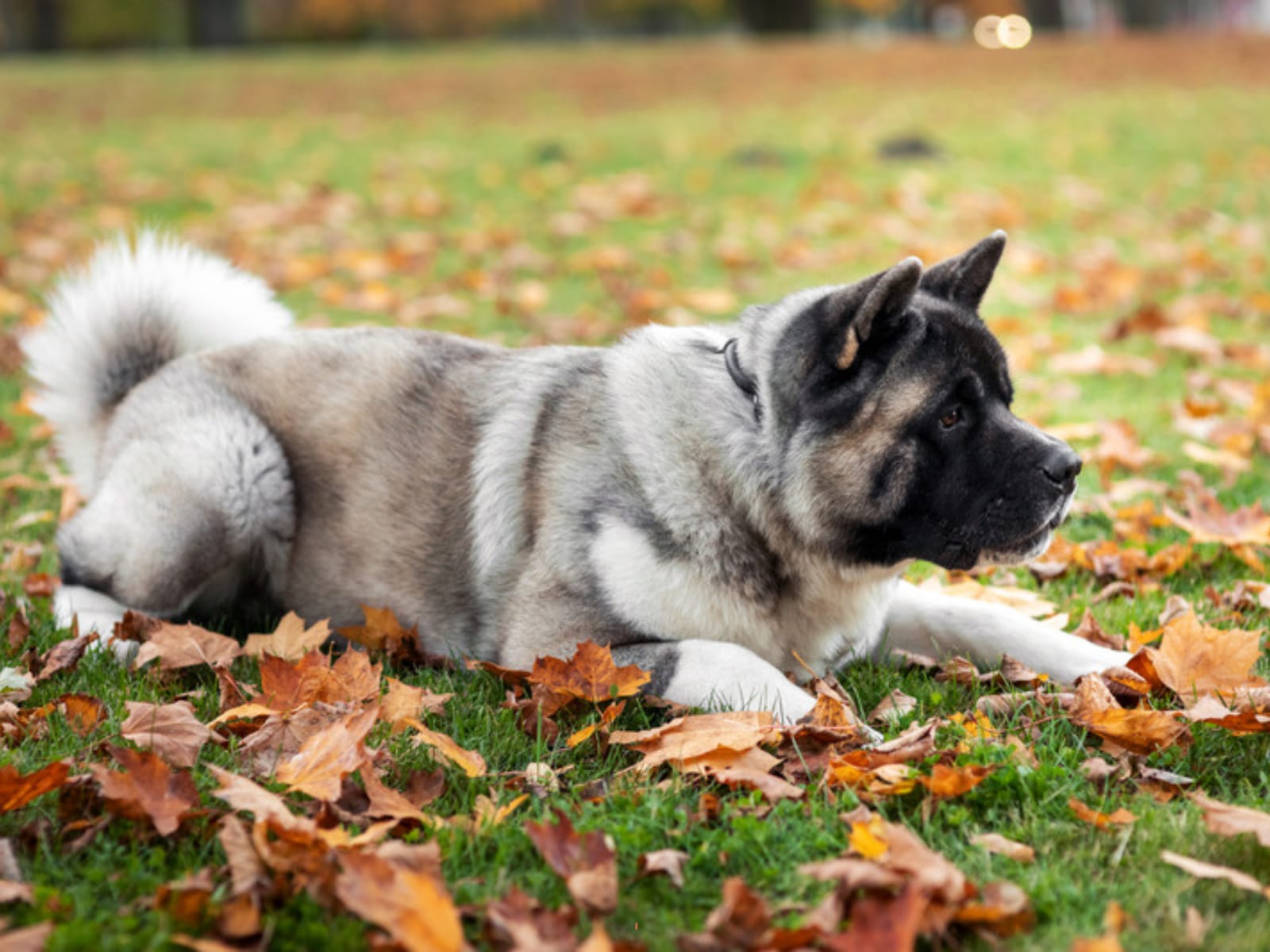
American Akita lying among autumn leaves

Breed facts

FCI
no. 344 · group 5, Asian spitz
Origin
Japan
Height at withers
male 66–71 cm · female 61–66 cm
Exercise
more than 2 hours a day (according to the Royal Kennel Club)
Lifespan
over 10 years
Coat
short, sheds

The GoPuppy profile

These are breed averages and our own assessment. Your own dog’s age, fitness and training matter more.

  1. WalkingFull-day hikesMore than two hours of exercise a day, according to the Royal Kennel Club. An adult American Akita will manage a long hike.
  2. Dog sportScent work and one sportScent work, obedience and canicross, with an eye on other dogs.Suitsscent workobediencecanicross
  3. Terraces and cafésRather not a busy terraceThe standard calls him 'alert and responsive, dignified and courageous', and 'highly responsive of other dogs, particularly of the same sex'. A terrace full of dogs is not the ideal spot.
  4. Travel and staysTravel takes preparationLarge, with a short, dense coat. A roomy crate and accommodation that accepts large dogs.
  5. CityNeeds a big gardenThe Royal Kennel Club assumes a large house with a large garden, in town or country.

Character

According to the FCI standard, the American Akita is alert, responsive, dignified and courageous. The standard states plainly that he may be highly responsive to other dogs, particularly of the same sex. Good socialisation and a training club are no luxury with this breed.

Origin

The story starts the same way as for the Akita Inu: Japanese bear-hunting dogs from the Akita region, later crossed with Tosas and Mastiffs, and sometimes with German Shepherds during the Second World War. After the war, Kongo-go of the Dewa line enjoyed a tremendous if temporary popularity. Many Akitas of that line, showing Mastiff and German Shepherd influence, were taken to the United States by American servicemen.

There the line grew quickly in popularity. The Akita Club of America was founded in 1956, and the American Kennel Club accepted the breed in October 1972. Because the American and Japanese kennel clubs did not recognise each other’s pedigrees at the time, no new Japanese blood came in. So the American Akita developed into a type of its own, while Japan bred back to the original spitz type. The FCI places him in Group 5, section 5, with Japan as the country of origin.

Health and size

The Royal Kennel Club, which calls the breed simply ‘Akita’, puts genetic diversity first and recommends eye and hip testing. Males measure 66 to 71 cm, females 61 to 66 cm.

Health: what a good breeder tests for

  • Prioritising genetic diversity when choosing the parents
  • Eye testing
  • Hips (X-ray, official result)

Ask for the parents’ results when you visit a litter. This is not medical advice; your vet knows your dog.

Breeders of this breed on GoPuppy

No breeder of this breed on GoPuppy yet.

GoPuppy does not check breeders’ health tests. A listing here is not a seal of approval.

Read also