FCI 334 · South Korea

Korean Jindo

A Korean hunting spitz from Jindo Island, loyal to one owner he never forgets.

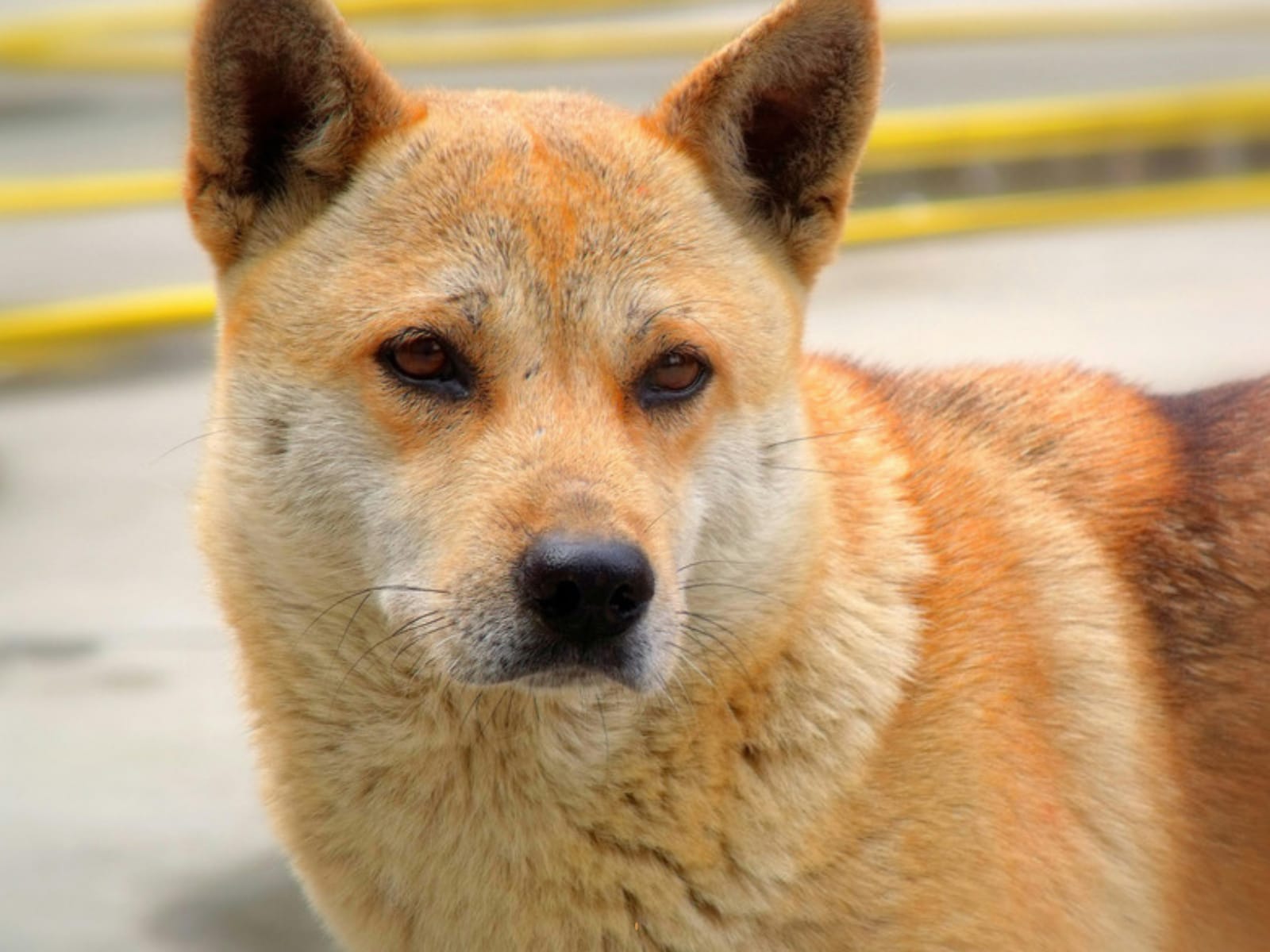
Red Korean Jindo looking at the camera

Breed facts

FCI
no. 334 · group 5, Asian spitz
Origin
South Korea
Height at withers
male 50–55 cm · female 45–50 cm
Size
The standard gives 53 to 54 cm as ideal for dogs and 48 to 49 cm for bitches.
Weight
male 18–23 kg · female 15–19 kg
Exercise
up to 1 hour a day (according to the Royal Kennel Club)
Lifespan
over 10 years
Coat
medium length, sheds

The GoPuppy profile

These are breed averages and our own assessment. Your own dog’s age, fitness and training matter more.

  1. WalkingLong walksThe Royal Kennel Club suggests up to an hour of exercise a day.
  2. Dog sportScent work and one sportScent work and canicross give a hunting dog something to do.Suitsscent workcanicrossobedience
  3. Terraces and cafésRather not a busy terraceAccording to the standard, he is not fond of other animals, especially males.
  4. Travel and staysTravel takes preparationMedium-sized, he fits in an ordinary family car.
  5. CityNeeds a big gardenThe RKC suggests a small house with a small to medium garden, in town or country.

Temperament

According to the FCI standard, the Jindo has a very strong hunting instinct and is bold, brave, alert and careful. Above all he is extremely faithful to his owner. He is a one-man dog: he will accept a new owner, but never forgets the one who raised him from a puppy. On the whole he is not fond of other animals, especially males. He has a good sense of direction, keeps himself clean and eats sparingly.

Origin

There is no written record of his origin, but according to the standard the breed has lived for thousands of years on Jindo Island, at the south-western tip of the Korean peninsula. The most accepted theory is that he is native to Korea and survived on the island because it was hard to reach. In Korea he is called Jindo-kae or Jindo-kyon; kae and kyon both mean dog. According to the Royal Kennel Club, the island was separated from the mainland until 1984, the breed was declared a National Treasure in 1938 and was therefore spared when the Japanese killed dogs during the Second World War. The RKC also says he was used for dog fighting in the past and remains dominant towards other dogs. Related Asian spitz breeds on GoPuppy are the Shiba Inu, the Kishu and the Akita Inu. The FCI places him in group 5, section 5, Asian spitz.

Health

The Royal Kennel Club prioritises genetic diversity and lists no further tests for this breed.

Size

Dogs measure 50 to 55 cm and weigh 18 to 23 kg; 53 to 54 cm is ideal. Bitches measure 45 to 50 cm and weigh 15 to 19 kg; 48 to 49 cm is ideal.

Health: what a good breeder tests for

  • Prioritising genetic diversity when choosing the parents

Ask for the parents’ results when you visit a litter. This is not medical advice; your vet knows your dog.

Breeders of this breed on GoPuppy

No breeder of this breed on GoPuppy yet.

GoPuppy does not check breeders’ health tests. A listing here is not a seal of approval.

Read also