FCI 253 · China

Pug

A small dog with great charm, from China by way of the Netherlands. The Royal Kennel Club calls him "multum in parvo", a lot of dog in a small frame.

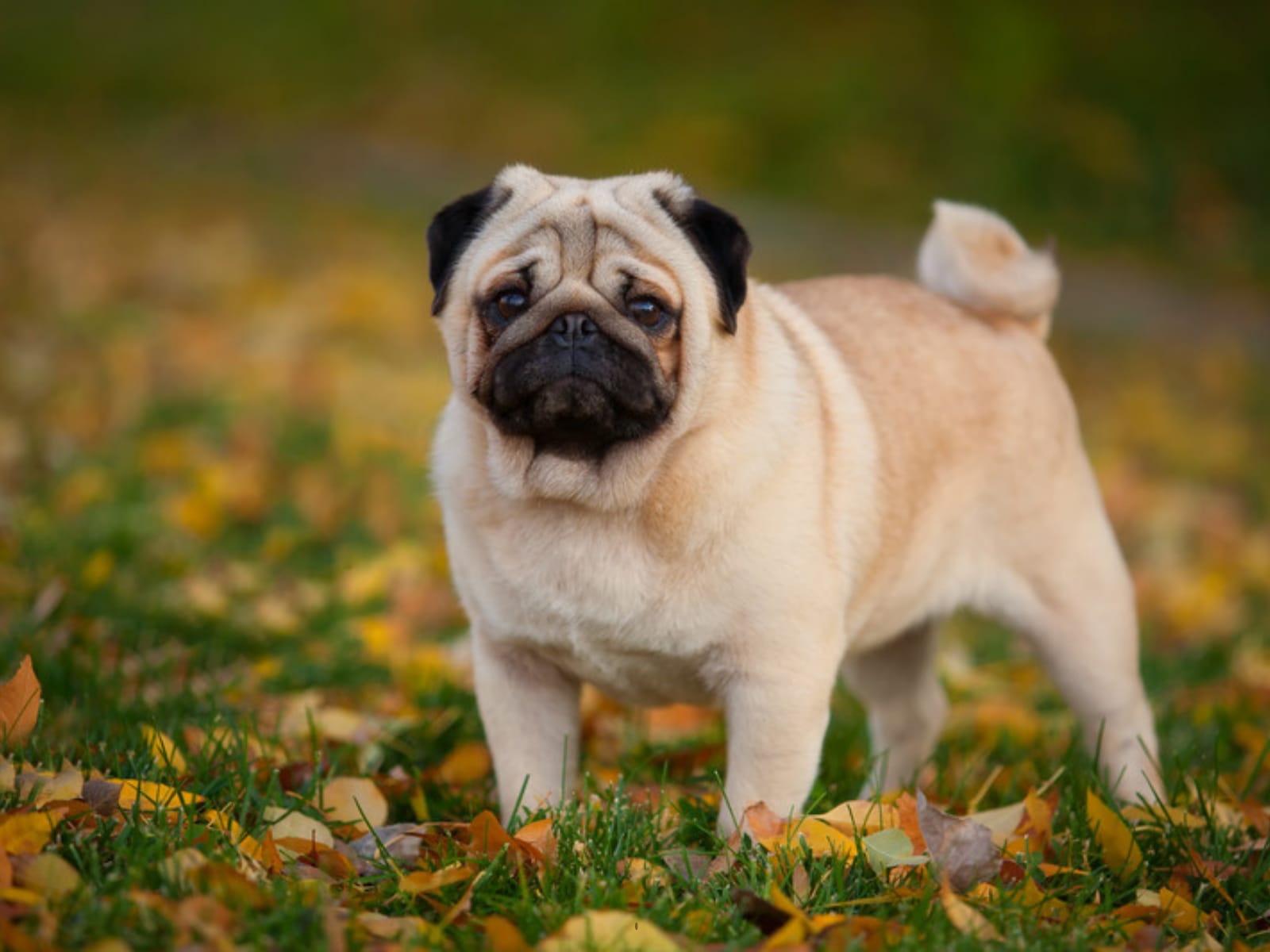
Pug standing in the grass among autumn leaves

Breed facts

FCI
no. 253 · group 9, small molossian dogs
Origin
China
Weight
6.3–8.1 kg
Exercise
up to 1 hour a day (according to the Royal Kennel Club)
Lifespan
over 10 years
Coat
short, sheds

The GoPuppy profile

These are breed averages and our own assessment. Your own dog’s age, fitness and training matter more.

  1. WalkingShort loopsThe Royal Kennel Club gives up to an hour a day, spread over a few brief walks. In heat and humidity, keep it gentle.
  2. Dog sportNot a sports dogWith his flat face we advise against exertion. Search games and scent work keep him busy.Suitsscent work
  3. Terraces and cafésCalm on a terraceThe standard calls him even-tempered, happy and lively. Small, and he likes to stay close to his people.
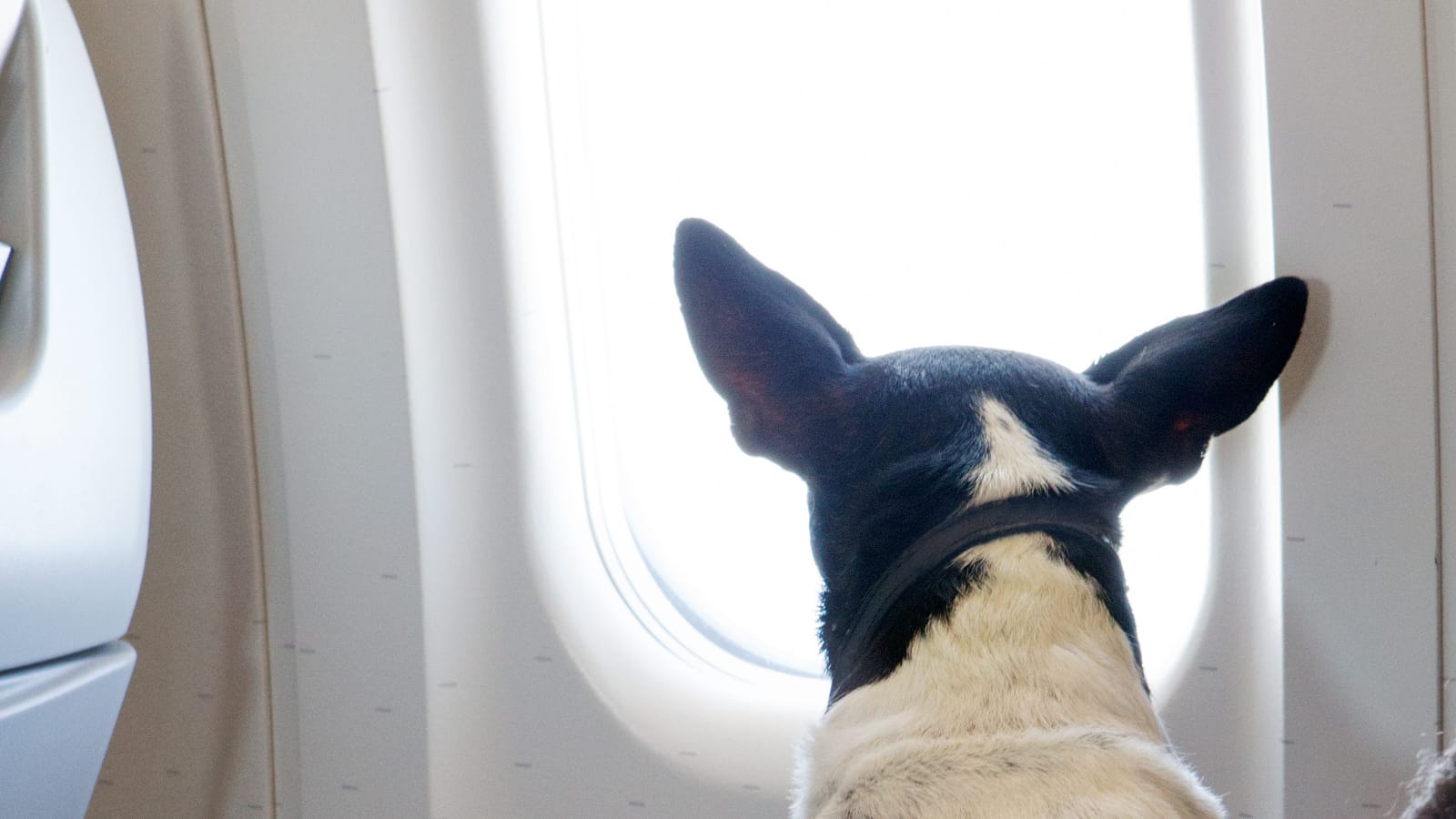
  4. Travel and staysTravel takes preparationSmall, but flat-faced: in a hot car and on a plane his muzzle matters. Some airlines have their own rules for brachycephalic breeds.
  5. CityCity dogThe Royal Kennel Club says a flat is enough. He does not like being left alone for long.

Character

According to the FCI standard, the Pug has great charm, dignity and intelligence, and is even-tempered, happy and lively. The Royal Kennel Club adds that he was bred purely as a companion, is friendly with strangers and usually gets on well with other dogs. He can be strong-willed, responds badly to harsh handling and dislikes being left alone for long.

Origin

China is listed as his home country, where short-faced dogs were always in favour. Traders of the Dutch East India Company brought him to the Netherlands, where he was admired as early as the 1500s and became the symbol of the supporters of the House of Orange. With William III he came to England. Until 1877 he was known only in fawn; that year a black pair arrived from the Orient. The FCI places him in Group 9, section 11, small molossian type dogs.

Breathing and heat

The Royal Kennel Club asks breeders for a breathing test (BOAS, Respiratory Function Grading) and eye testing, plus a DNA test for Pug dog encephalitis (PDE) and hip testing. According to the RKC, the Pug’s flat face limits his tolerance for heat, humidity and strenuous activity. Ask a breeder for the breathing grade of both parents.

Weight

The ideal weight is 6.3 to 8.1 kg. The standard says he should be hard of muscle, and that substance must not be confused with overweight.

Health: what a good breeder tests for

  • Breathing test for BOAS (Respiratory Function Grading)
  • Eye testing
  • DNA test for Pug dog encephalitis (PDE)
  • Hips (X-ray, official result)

Ask for the parents’ results when you visit a litter. This is not medical advice; your vet knows your dog.

Breeders of this breed on GoPuppy

No breeder of this breed on GoPuppy yet.

GoPuppy does not check breeders’ health tests. A listing here is not a seal of approval.

Read also