FCI 222 · Netherlands

Stabyhoun

The Frisian all-rounder. The name probably comes from "sta mij bij", "stand by me", and "houn" is Frisian for dog.

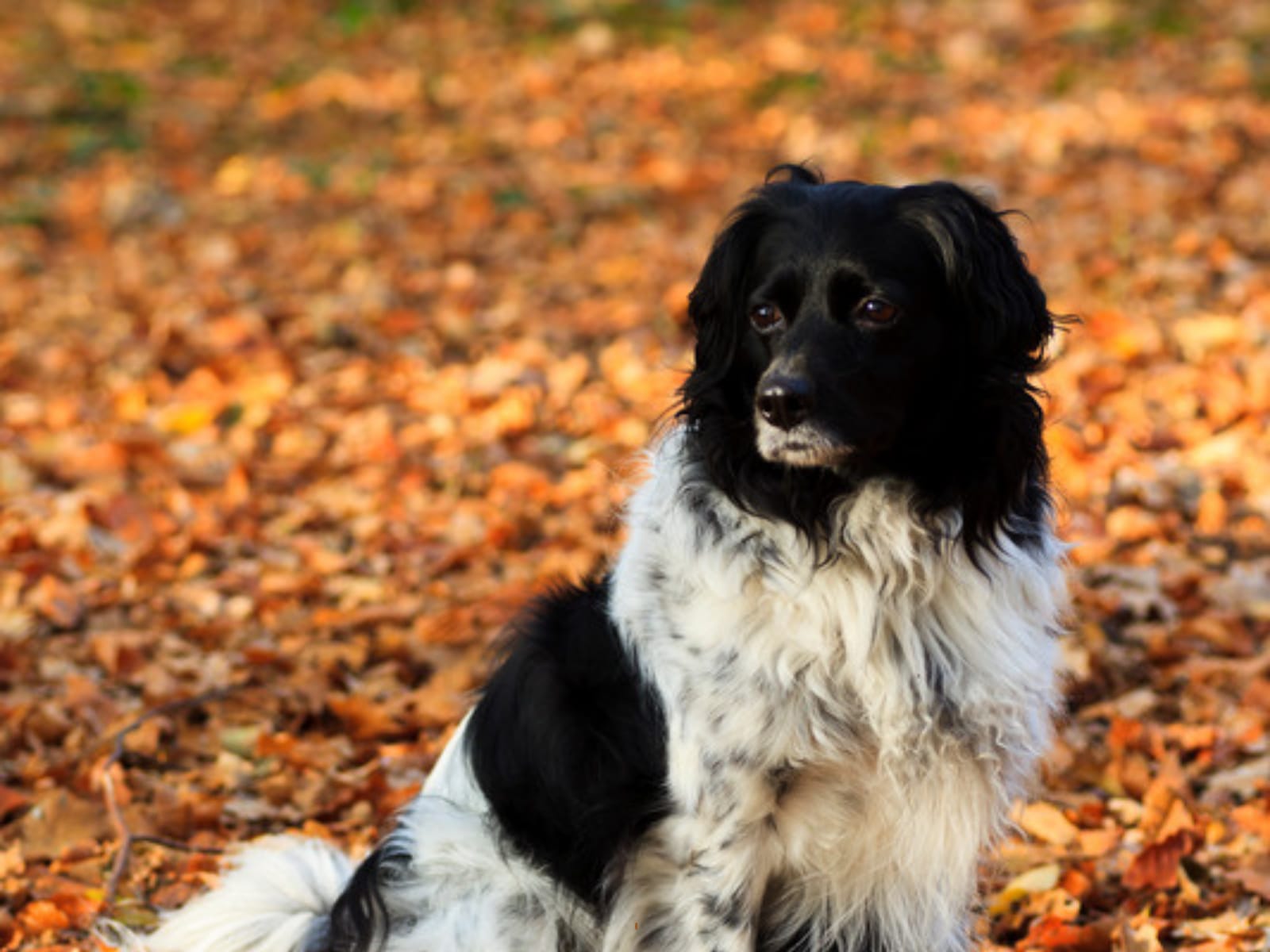
Stabyhoun sitting among autumn leaves

Breed facts

FCI
no. 222 · group 7, continental pointing dogs
Origin
Netherlands
Height at withers
male 50–53 cm · female 48–50 cm
Size
The standard allows 2 cm either way and puts breed type above exact measurements.
Weight
male 22–27 kg · female 18–23 kg

The GoPuppy profile

These are breed averages and our own assessment. Your own dog’s age, fitness and training matter more.

  1. WalkingLong walksA hunting dog who loves the outdoors. Walks through woods and fields suit him.
  2. Dog sportSport with a build-upA pointing dog with a working trial. Scent work and dummy training suit him.Suitsscent workdummy traininggundog work
  3. Terraces and cafésTerrace after trainingThe standard calls him quiet but vigilant at home, and reserved with strangers at first.
  4. Travel and staysTravel takes preparationMedium-sized and easy to take along. In the old days he rode in a basket on the bike.
  5. CityBetter with a gardenTown life works with enough exercise. A garden is a plus.

Character

According to the FCI standard, the Stabyhoun is very independent and likes to go his own way. He is affectionate, but can also be very headstrong; he needs patience and consistent training. In the house or yard he is quiet but vigilant. With strangers or in unfamiliar situations he may be reserved at first, but should not be afraid.

Origin

The Stabyhoun comes from the Frisian forest area and is related to the Drentsche Partridge Dog. He guarded the yard and kept it free of mice and rats. The larger type used to pull milk carts, while the smaller type made his name as a mole catcher; moleskins were worth a lot of money. That made him popular with poorer farmers and farmhands, who carried him in a basket on the bike. In the early 20th century he was often crossed with the Wetterhoun. In 1938 Frisian enthusiasts began purifying both breeds, which were recognised in 1942. The FCI places him in Group 7, section 1.2, continental pointing dogs of spaniel type, with a working trial.

Health

According to a Wageningen UR study, the breed counted as vulnerable under the FAO classification in 2008. Ask the breeder about the relatedness and inbreeding of the parents.

Size

The ideal height is 50 to 53 cm for males and 48 to 50 cm for females, with 2 cm allowed either way. Males weigh 22 to 27 kg, females 18 to 23 kg.

Health: what a good breeder tests for

  • Rare breed: in 2008 'vulnerable' under the FAO classification. Ask about the relatedness and inbreeding of the parents

Ask for the parents’ results when you visit a litter. This is not medical advice; your vet knows your dog.

Breeders of this breed on GoPuppy

No breeder of this breed on GoPuppy yet.

GoPuppy does not check breeders’ health tests. A listing here is not a seal of approval.

Read also