FCI 105 · France

Barbet

An ancient French water dog that goes into the water in all weather. Already described in the 16th century.

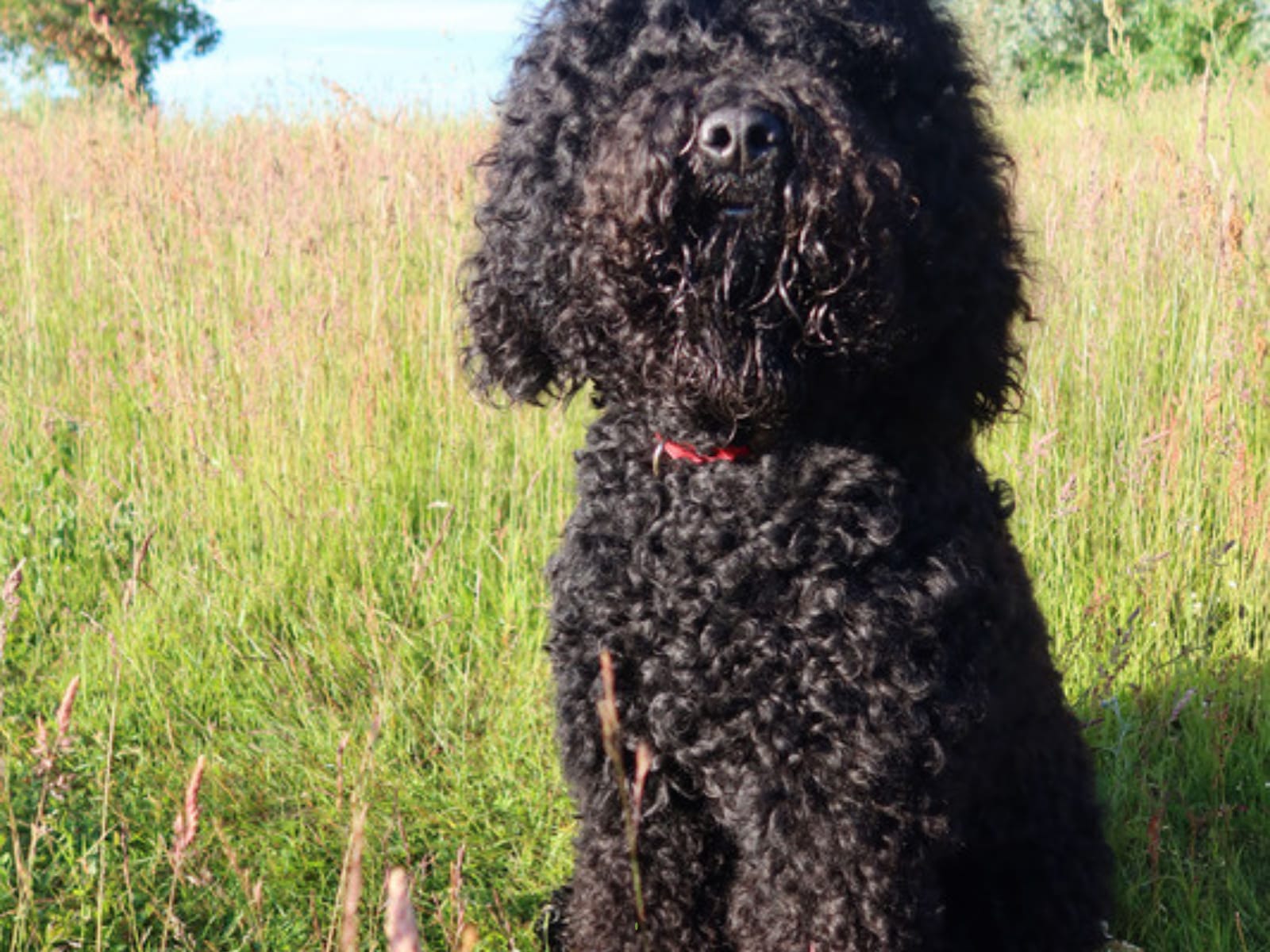
Black Barbet in a sunny meadow

Breed facts

FCI
no. 105 · group 8, water dogs
Origin
France
Height at withers
male 58–65 cm · female 53–61 cm
Size
The standard allows 1 cm either way.
Exercise
up to 1 hour a day (according to the Royal Kennel Club)
Lifespan
over 10 years
Coat
medium length, sheds little

The GoPuppy profile

These are breed averages and our own assessment. Your own dog’s age, fitness and training matter more.

  1. WalkingLong walksThe Royal Kennel Club gives up to an hour of exercise a day. According to the standard he goes into water in all weather.
  2. Dog sportSport with a build-upA water dog with a working trial. Swimming, dummy training and scent work suit him.Suitsswimmingdummy trainingscent work
  3. Terraces and cafésTerrace after trainingThe standard calls him even-tempered, very attached to his master and very sociable.
  4. Travel and staysTravel takes preparationMedium to large, with a thick coat. A roomy car and a towel come in handy.
  5. CityNeeds a big gardenThe Royal Kennel Club suggests a small house with a small to medium garden, in the country.

Character

According to the FCI standard, the Barbet has an even disposition. He is very attached to his master, very sociable, and loves water even when it is very cold.

Origin

He is a very ancient breed, once common throughout France and used for hunting waterfowl. Several works describe him from the 16th century. According to the standard, he is more than a retriever: he searches for, locates and flushes game hiding in the water vegetation, then retrieves the game shot. According to the Royal Kennel Club, he is considered the original European water dog and may have contributed to several breeds, including the Poodle, the Irish Water Spaniel, the Newfoundland, the Briard and the Bichon. His name comes from “barbe”, beard. The FCI places him in Group 8, section 3, water dogs, with a working trial.

Coat and health

The Royal Kennel Club lists him among dogs that do not shed; according to the RKC the dense coat should remain untrimmed. The RKC puts genetic diversity first and lists a DNA test for PRA (prcd-PRA) and hip, elbow and eye testing.

Size

Males measure 58 to 65 cm, females 53 to 61 cm, with 1 cm either way.

Health: what a good breeder tests for

  • Prioritising genetic diversity when choosing the parents
  • DNA test for PRA (prcd-PRA)
  • Hips (X-ray, official result)
  • Elbows (X-ray, official result)
  • Eye testing

Ask for the parents’ results when you visit a litter. This is not medical advice; your vet knows your dog.

Breeders of this breed on GoPuppy

No breeder of this breed on GoPuppy yet.

GoPuppy does not check breeders’ health tests. A listing here is not a seal of approval.

Read also